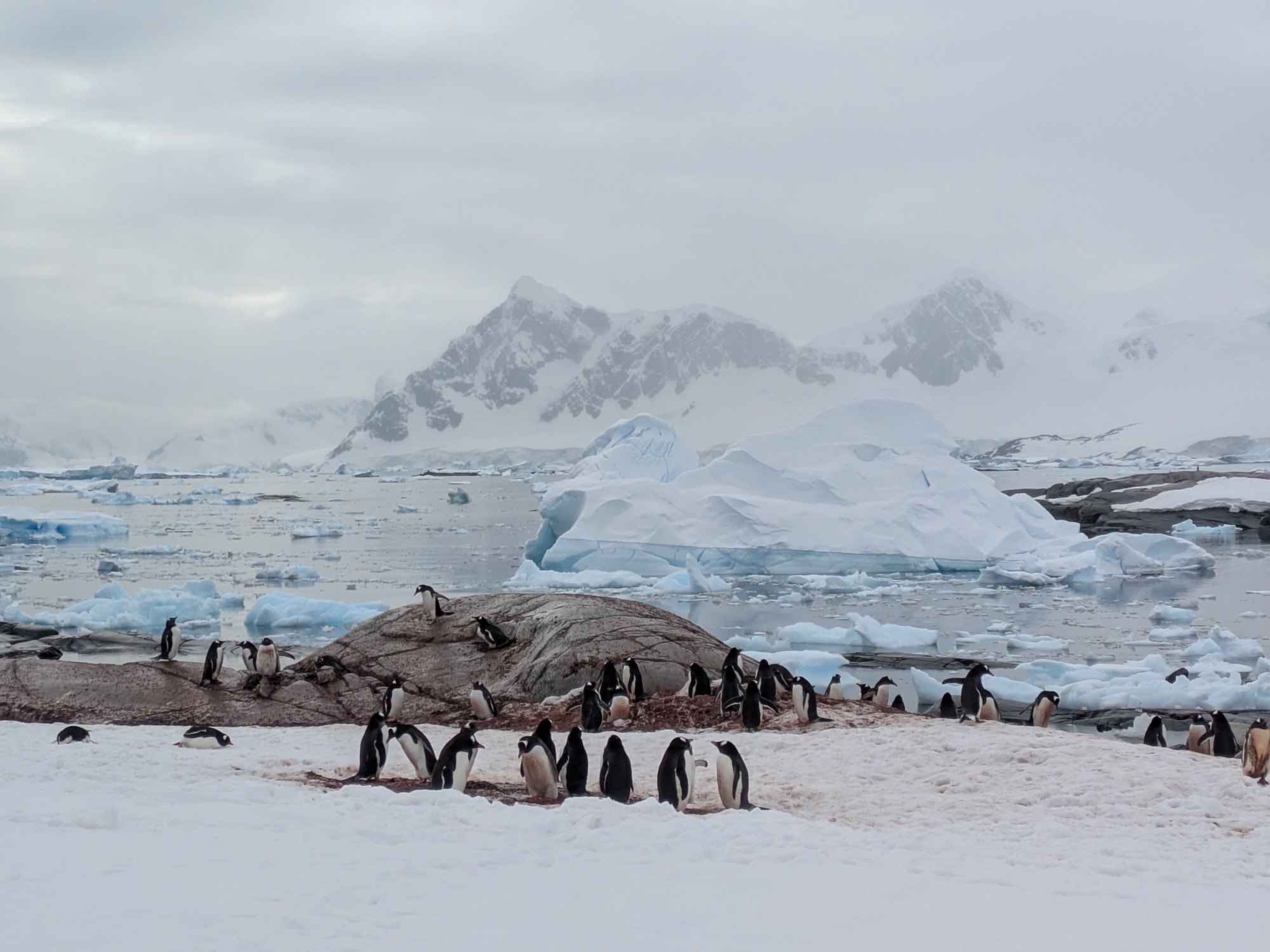
Surreal. Unreal. Incredible.
It’s challenging to find the right words to capture the awe-inspiring experience of visiting Antarctica – a continent that few have the opportunity to explore in their lifetime.
I always imagined I’d visit Antarctica later in life, perhaps after retiring. However, when a friend invited me to join a group heading there, I seized the opportunity and decided to go.
The Antarctic travel season runs from November to March during the summer, which is the only period when cruise ships can access the continent, thanks to the break up of sea ice and longer daylight hours. We visited at the end of November, during the very start of this window. Early season in Antarctica is truly unique with landscapes at their most pristine with dramatic icebergs and sunlight lingering well into the late evening.
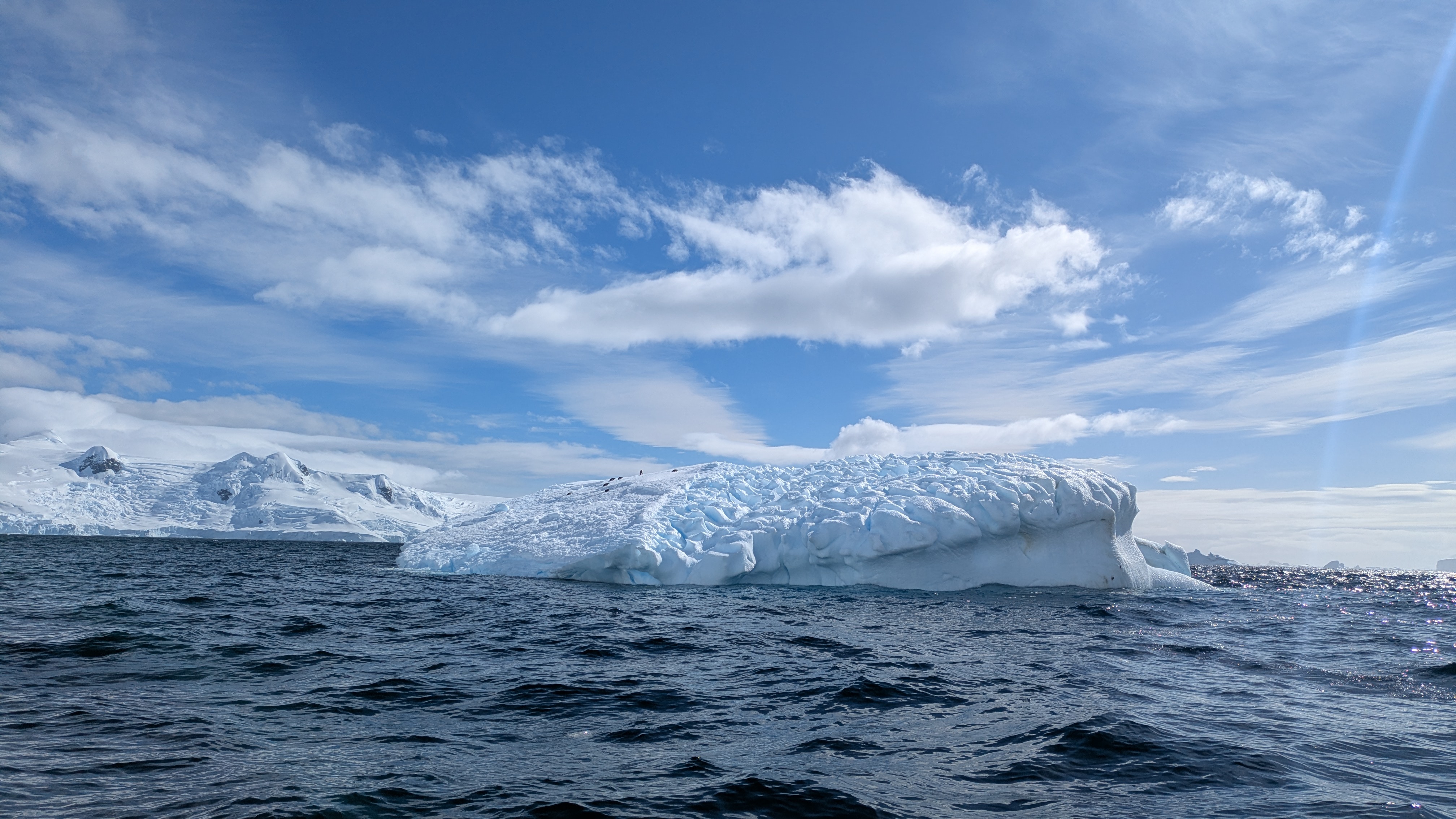
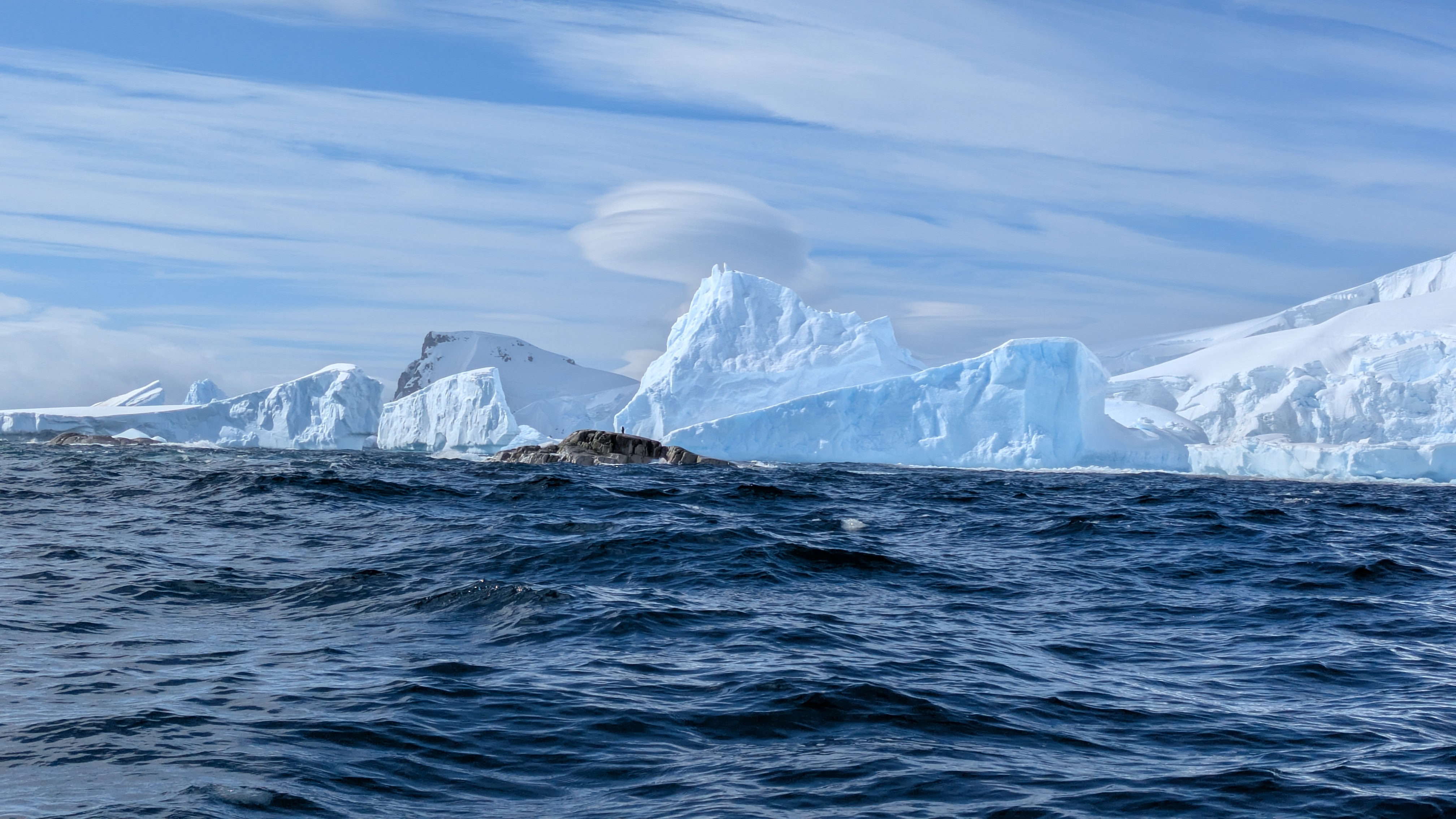
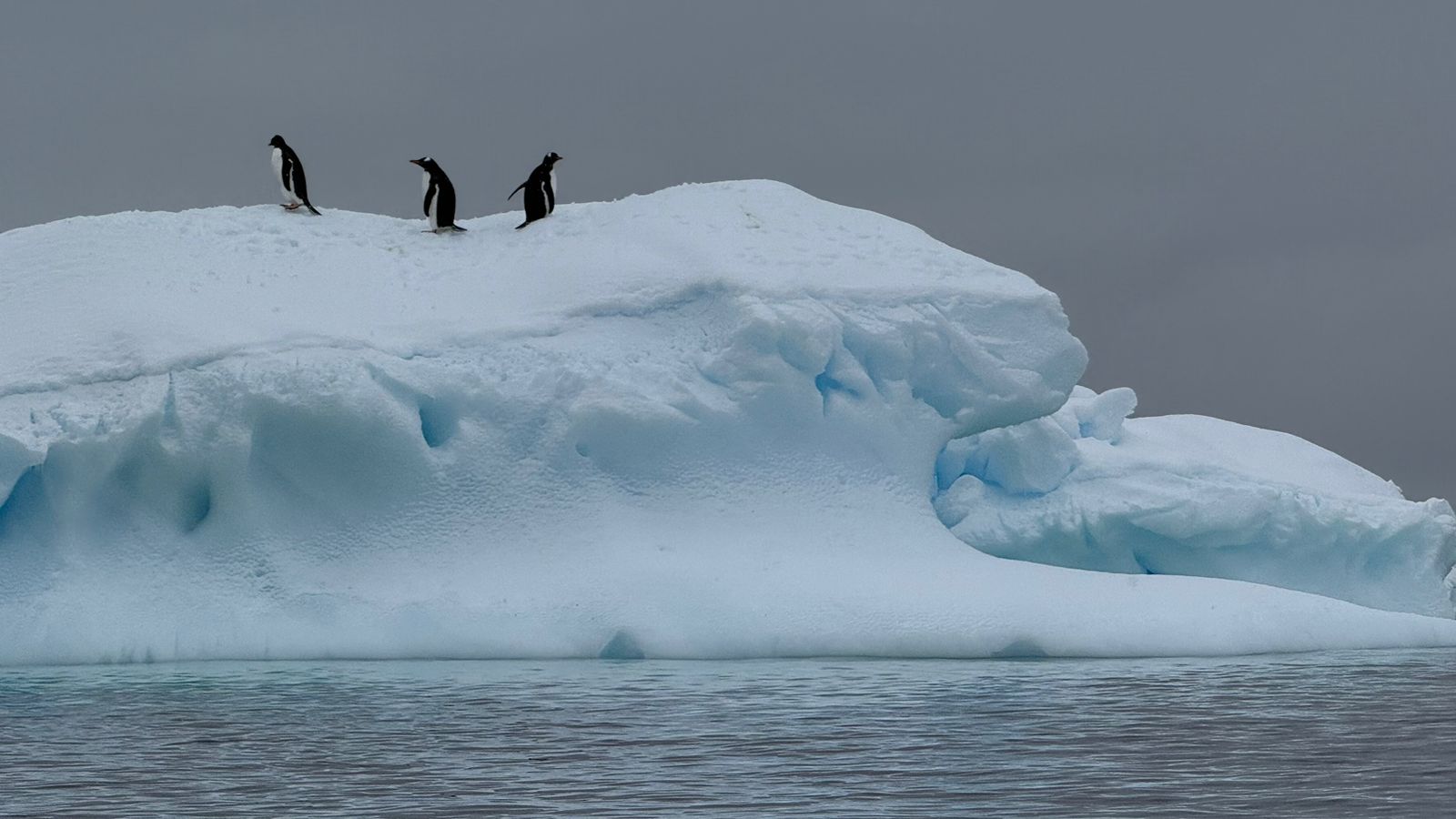
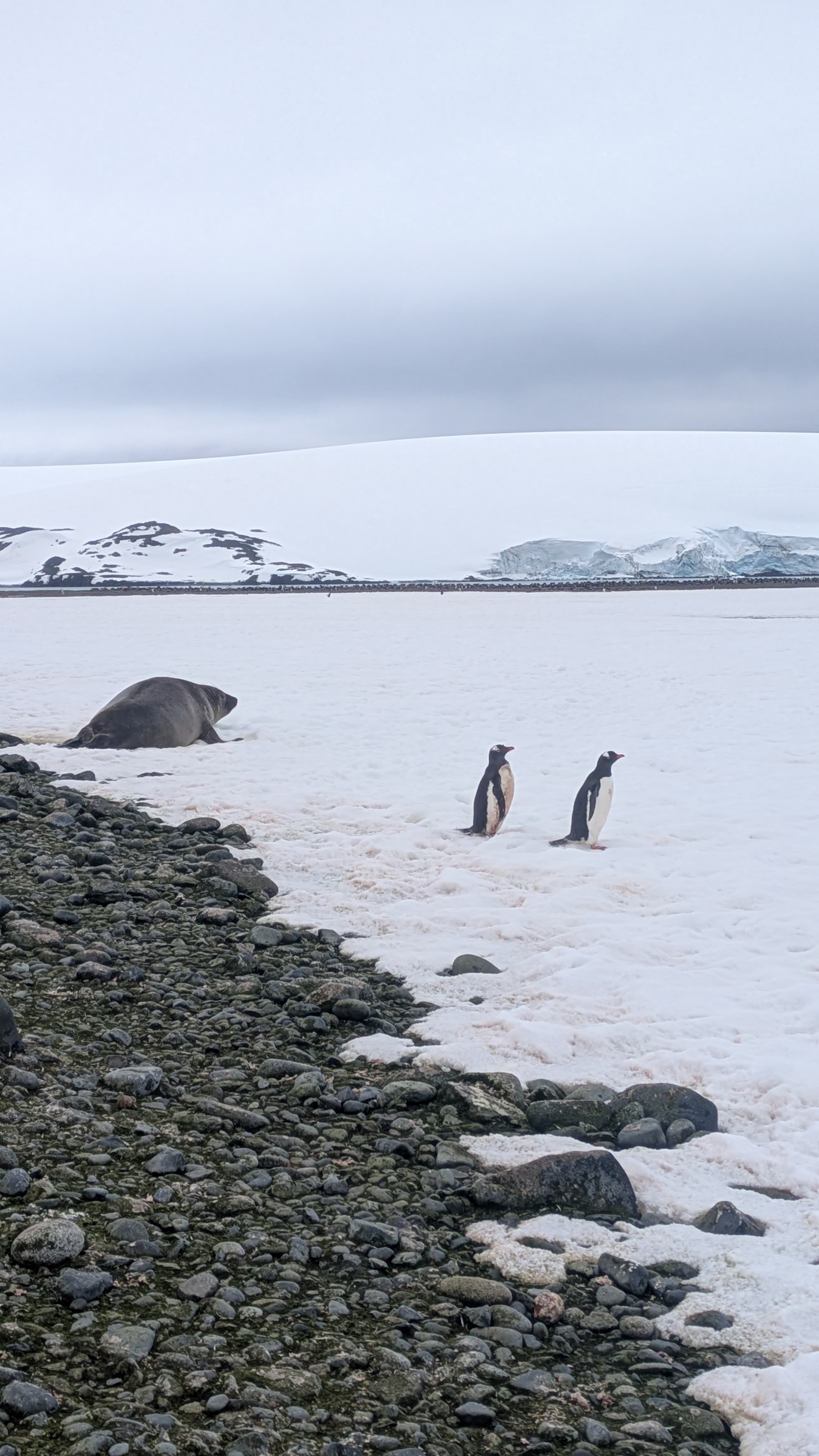
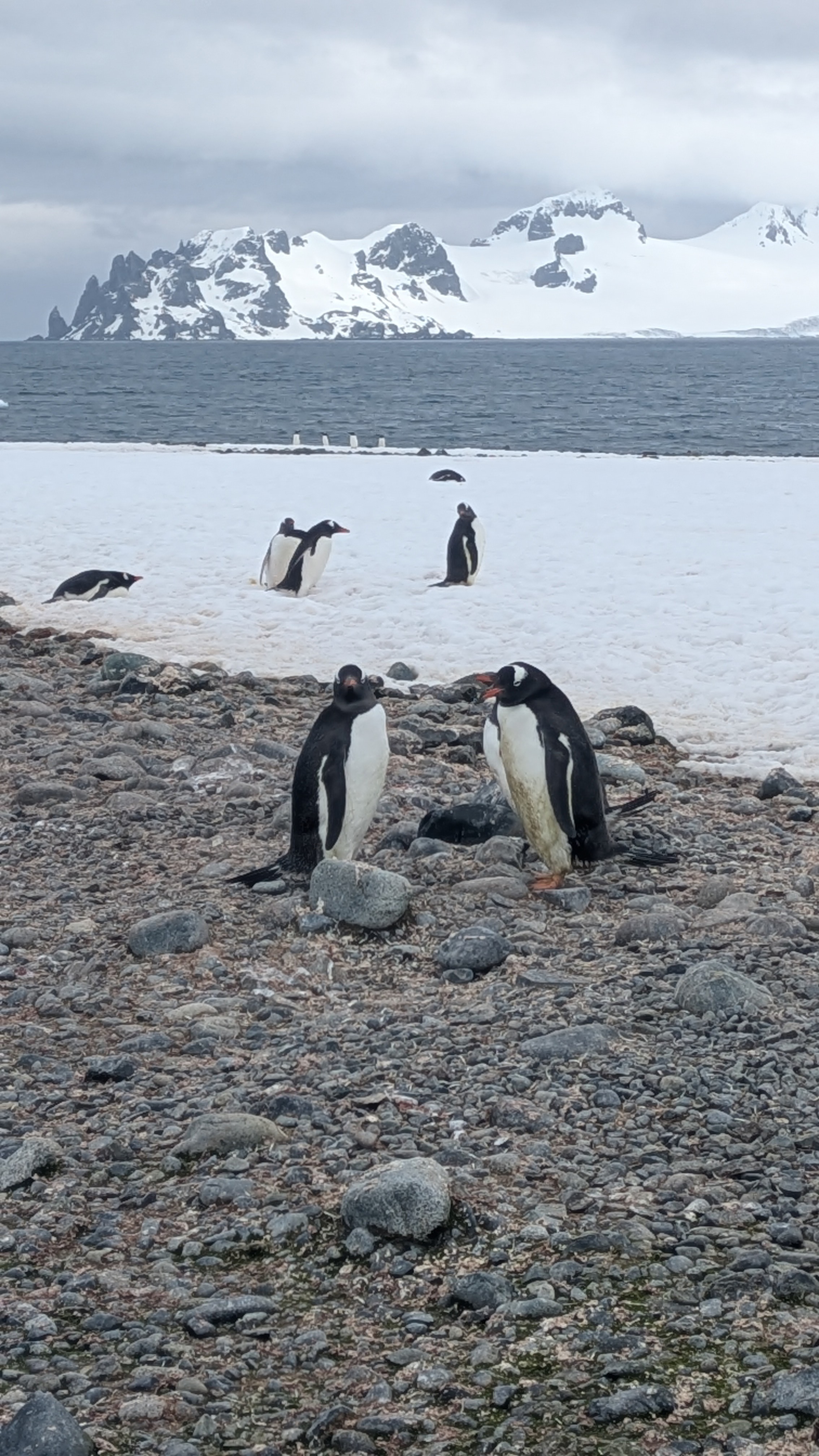
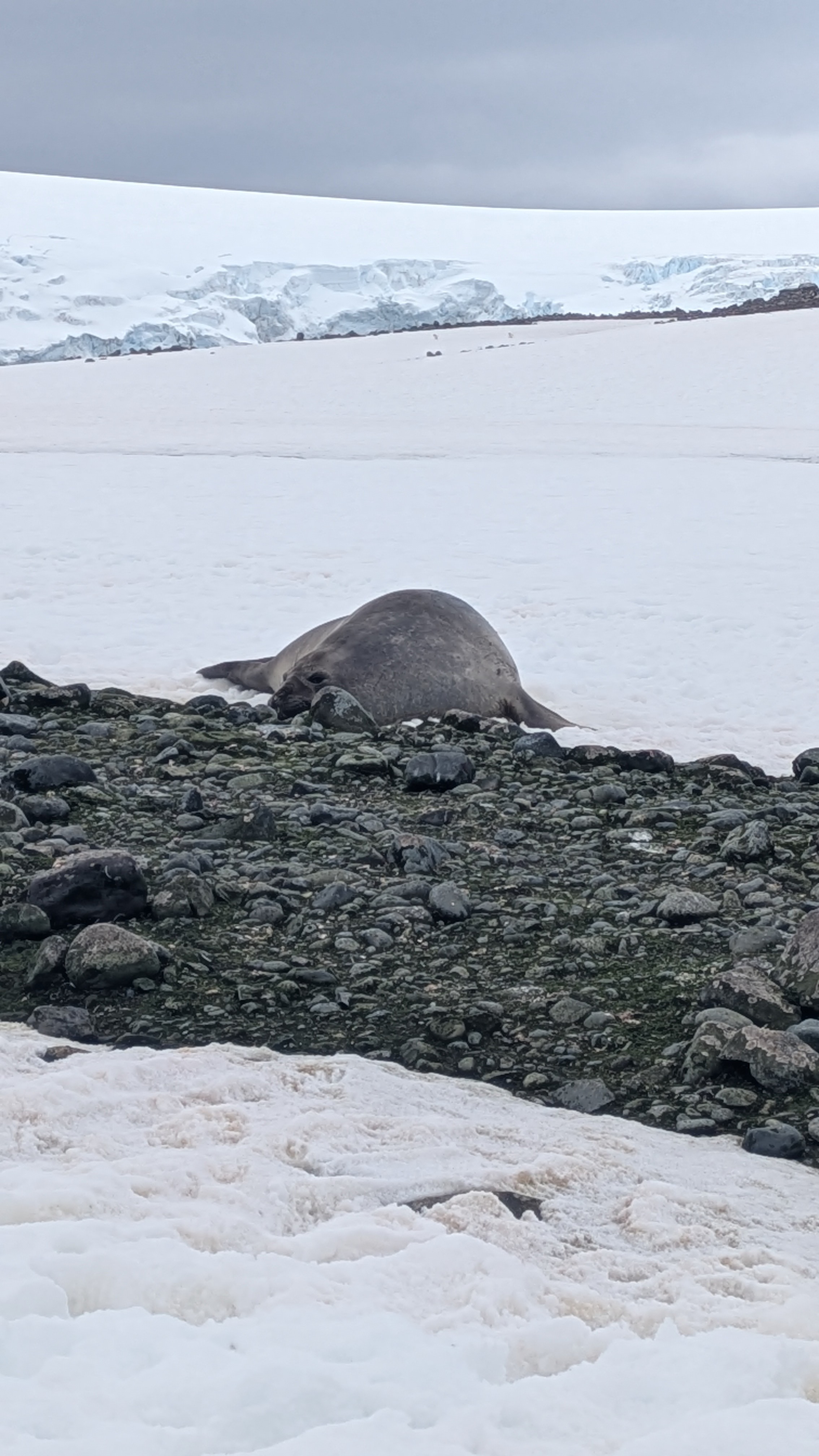
Visiting at this time also meant we could witness the start of the penguin breeding season. We saw penguin colonies like the Adelie, gentoo, and chinstrap who building nests, laying nests and it was incredible to see this natural behaviour. Seals were also active and we saw the occasional whale from the distance. The weather can be a bit colder at this time but the temperature varied mostly highs of 3 degrees celsius and lows of -2 degrees celsius. As the weather was generally mild (and coming from London), I didn’t find it particularly cold especially with the proper gear.
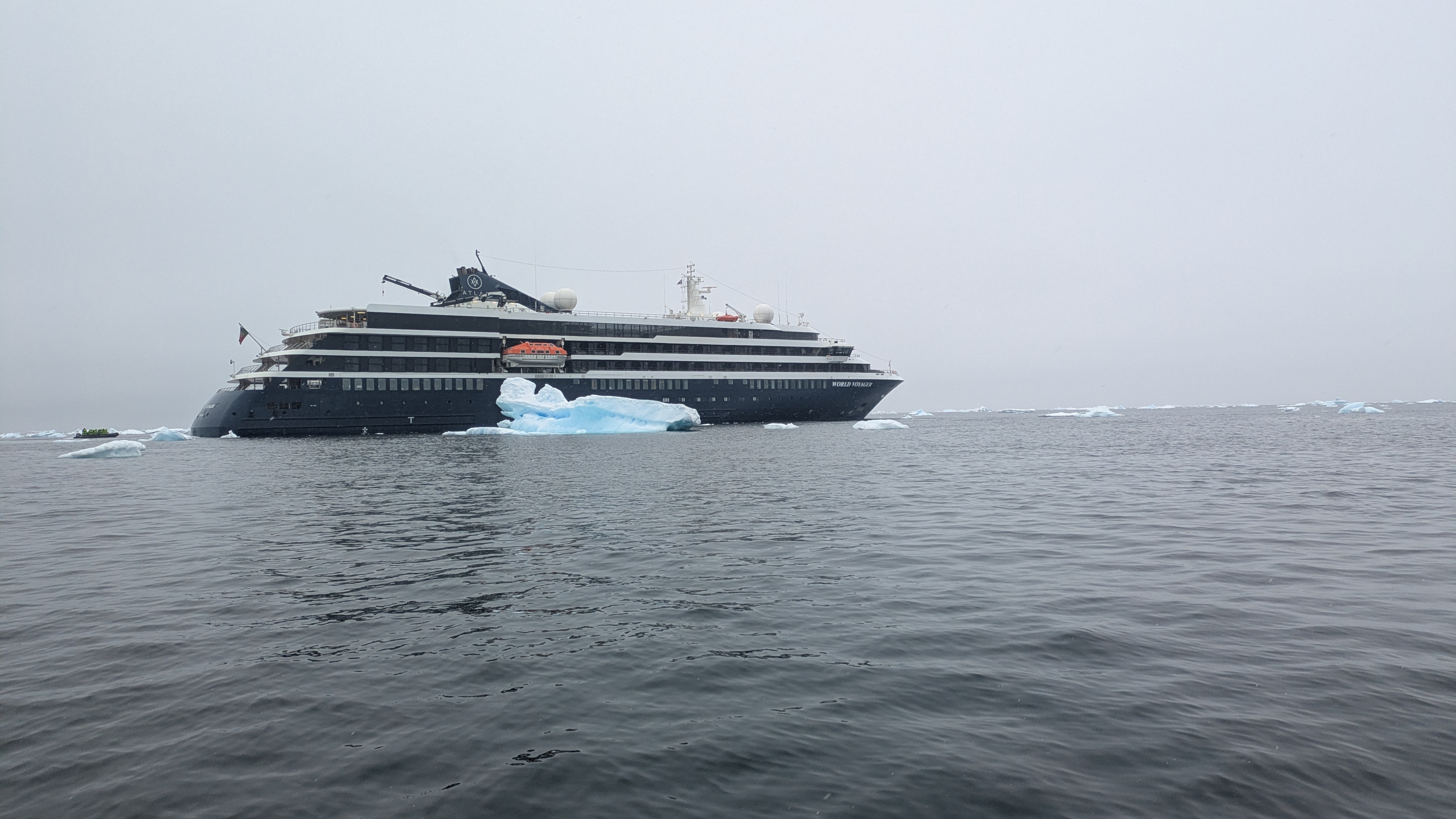
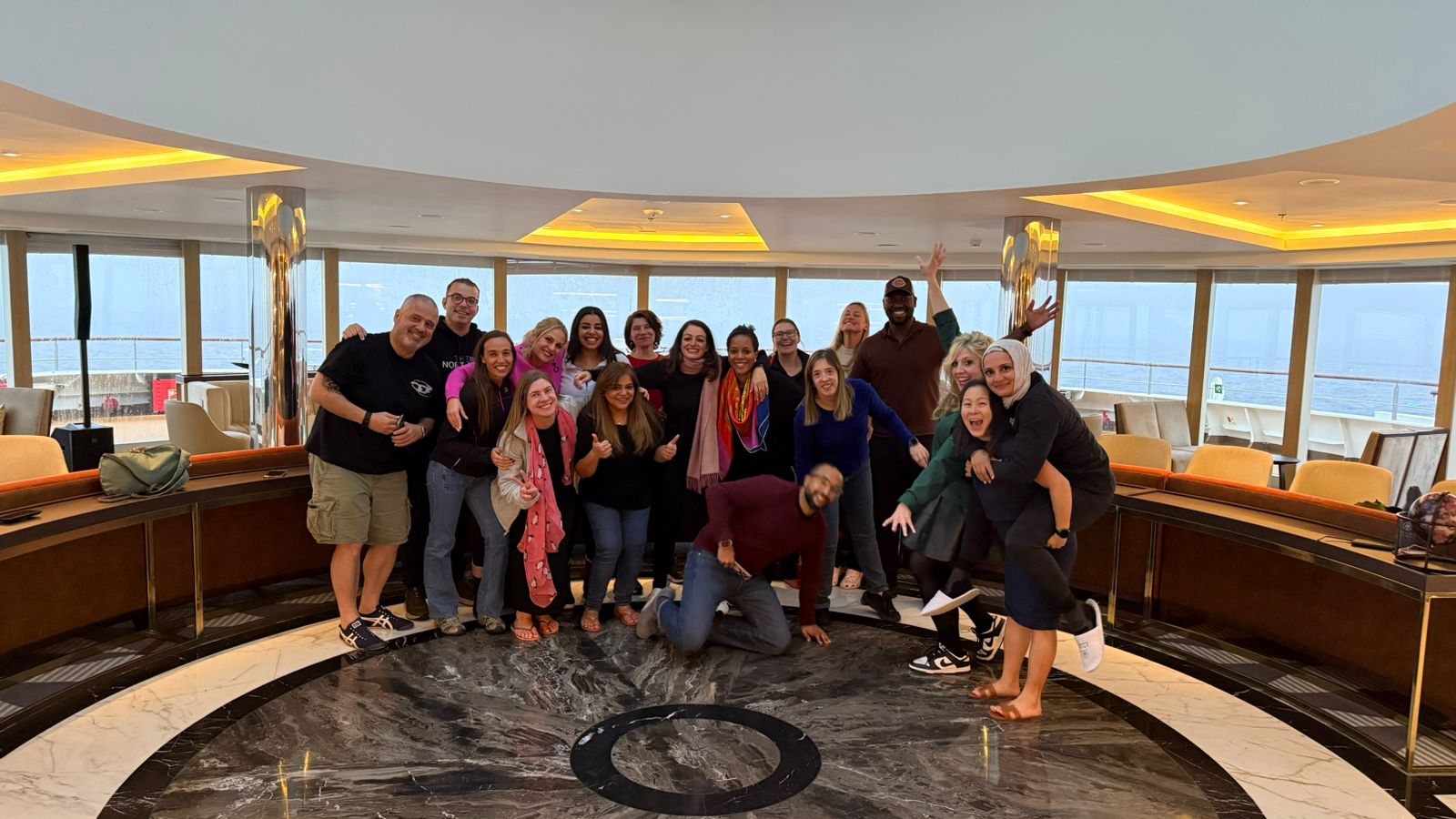
I travelled with Atlas Ocean Voyages and had an amazing experience. The cabins were comfortable and the ship was well-equipped with amenities like a gym, spa, sauna, outdoor pool and several lounge and bar spaces with entertainment each night. It was all inclusive and each meal was diverse and delicious, the drinks were plentiful and the staff were extremely kind, attentive and accommodating. Everything ran smoothly and felt organised throughout.
Our itinerary included a 7 night journey from Punta Arenas, Chile to King George Island, Antarctica, allowing us to explore the peninsula. Taking a charter flight from Punta Arenas made getting to Antarctica much quicker and more comfortable, as it allowed us to bypass the notoriously rough Drake Passage.
Pre Cruise
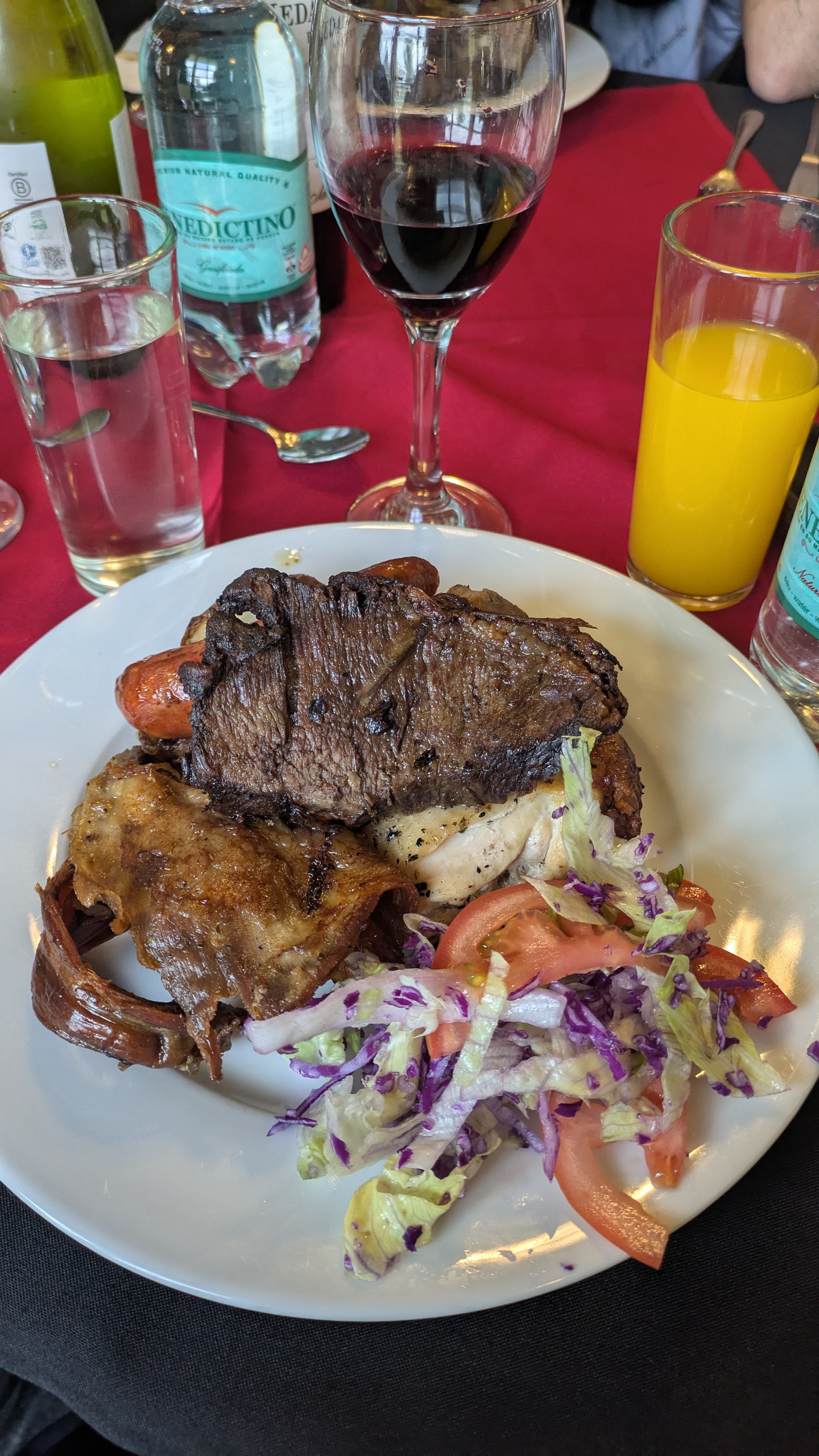
The journey started in Punta Arenas in Chile. The hotel one night before and one night after the cruise is included. The hotel was basic but fine for a short sleep. After check in, we went to lunch at Restaurant & Emporio Okusa. There was a cultural immersion dinner organised for us in the evening with food and dancing.
Day 1 – Punta Arenas, Getting to Antarctica
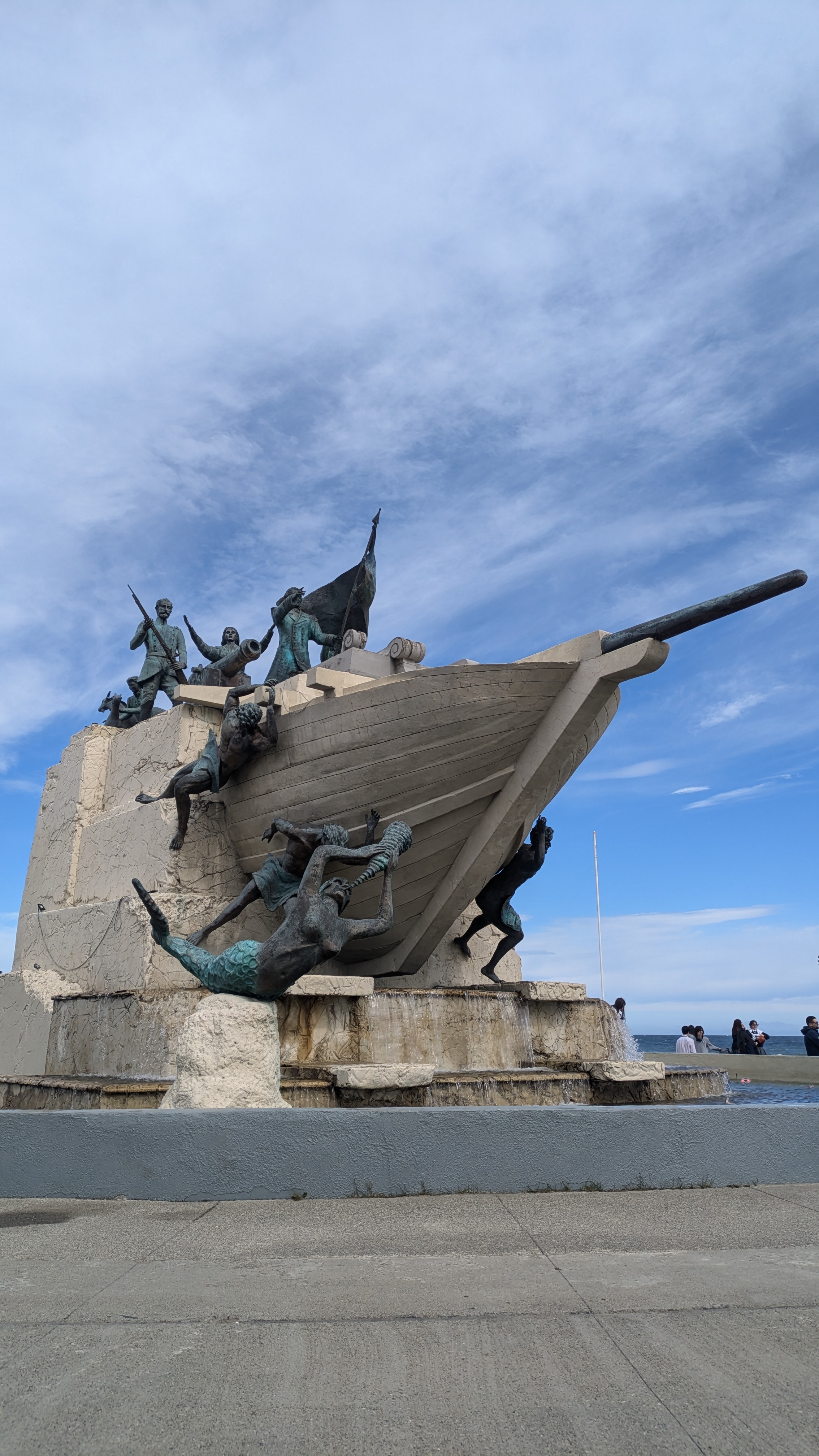
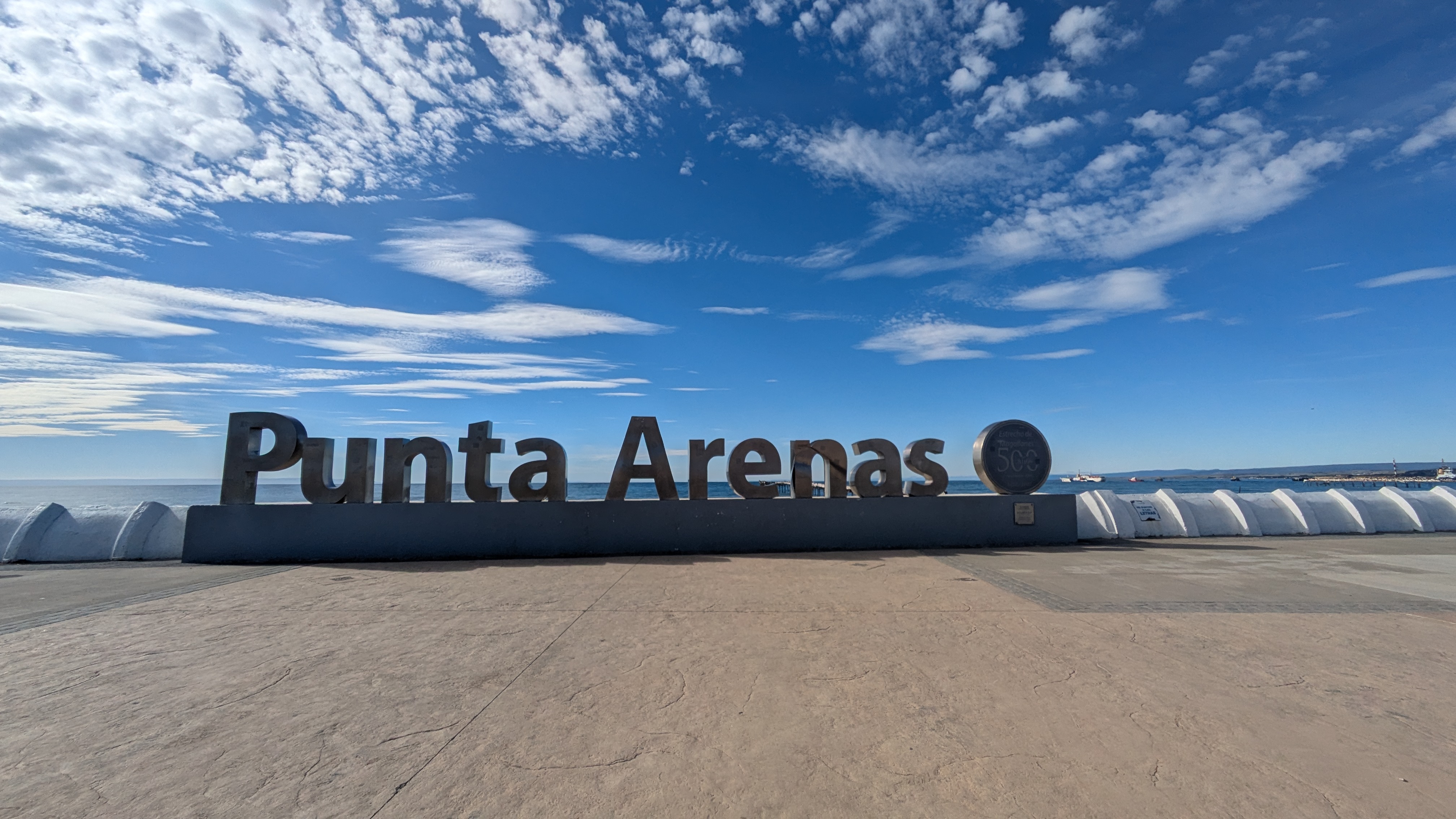
We explored Punta Arenas in the morning, had lunch at Roca Mar where we ate empanadas, fish soup and the best ceviche, before getting picked up to the airport.
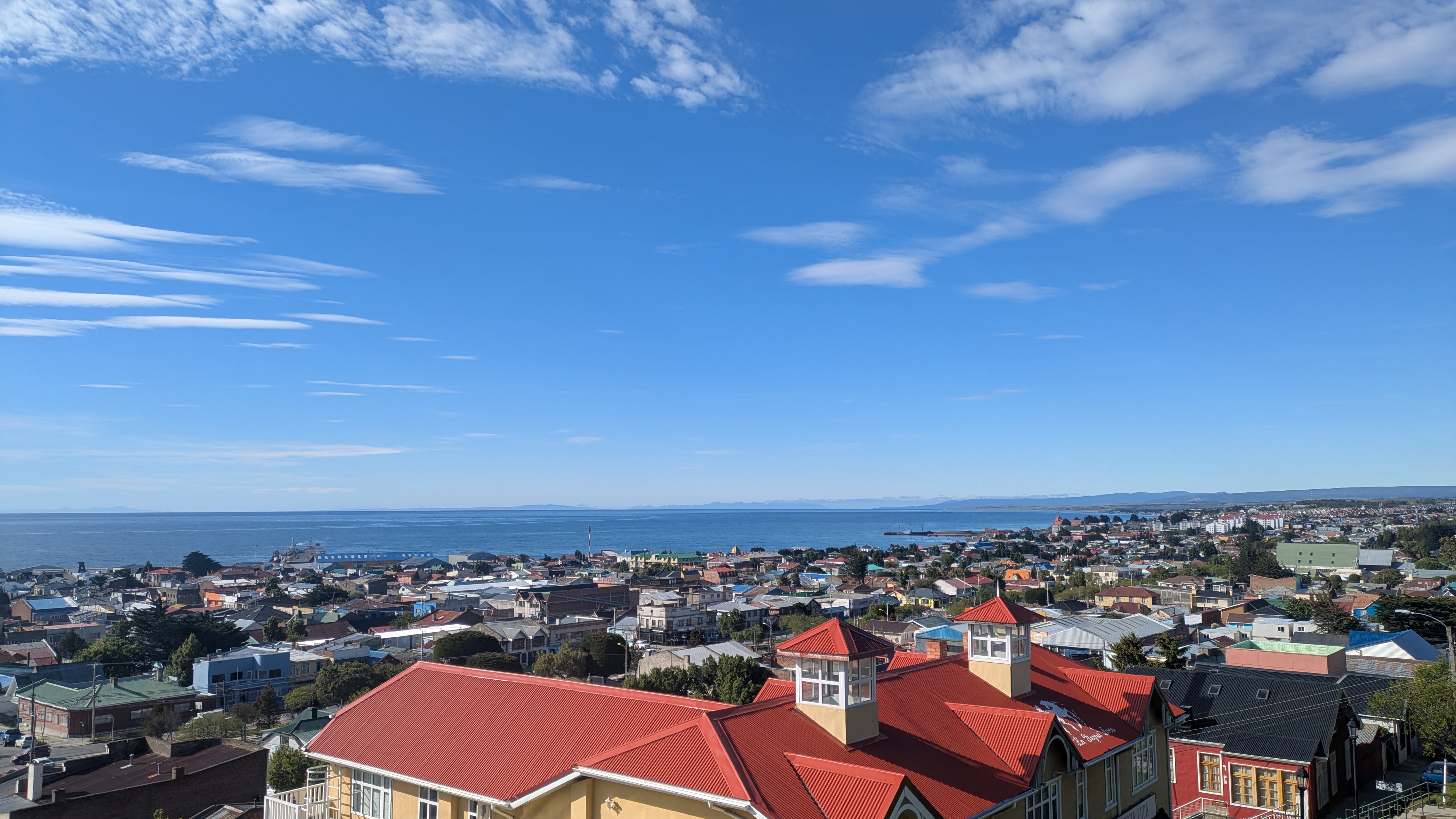
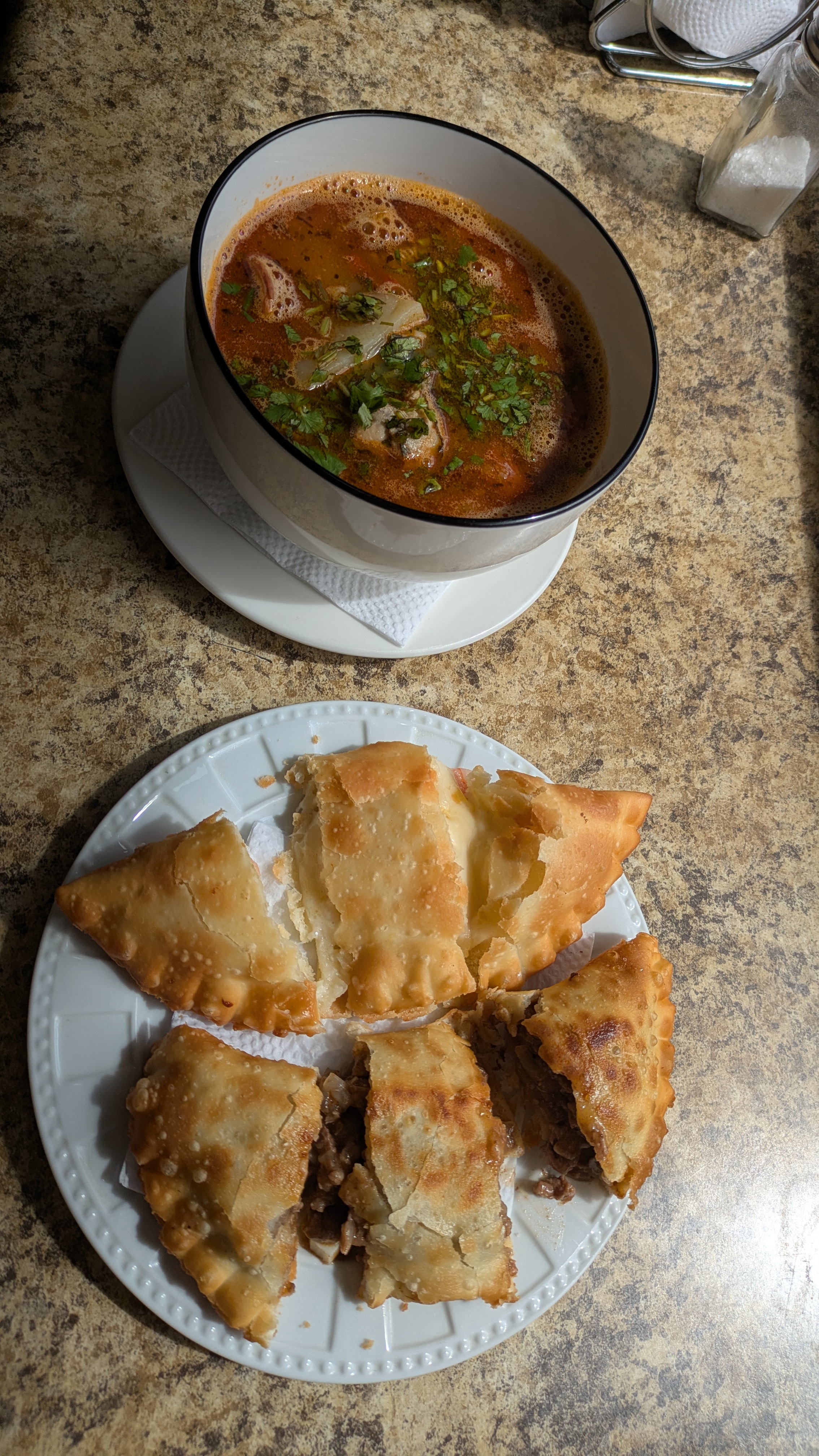
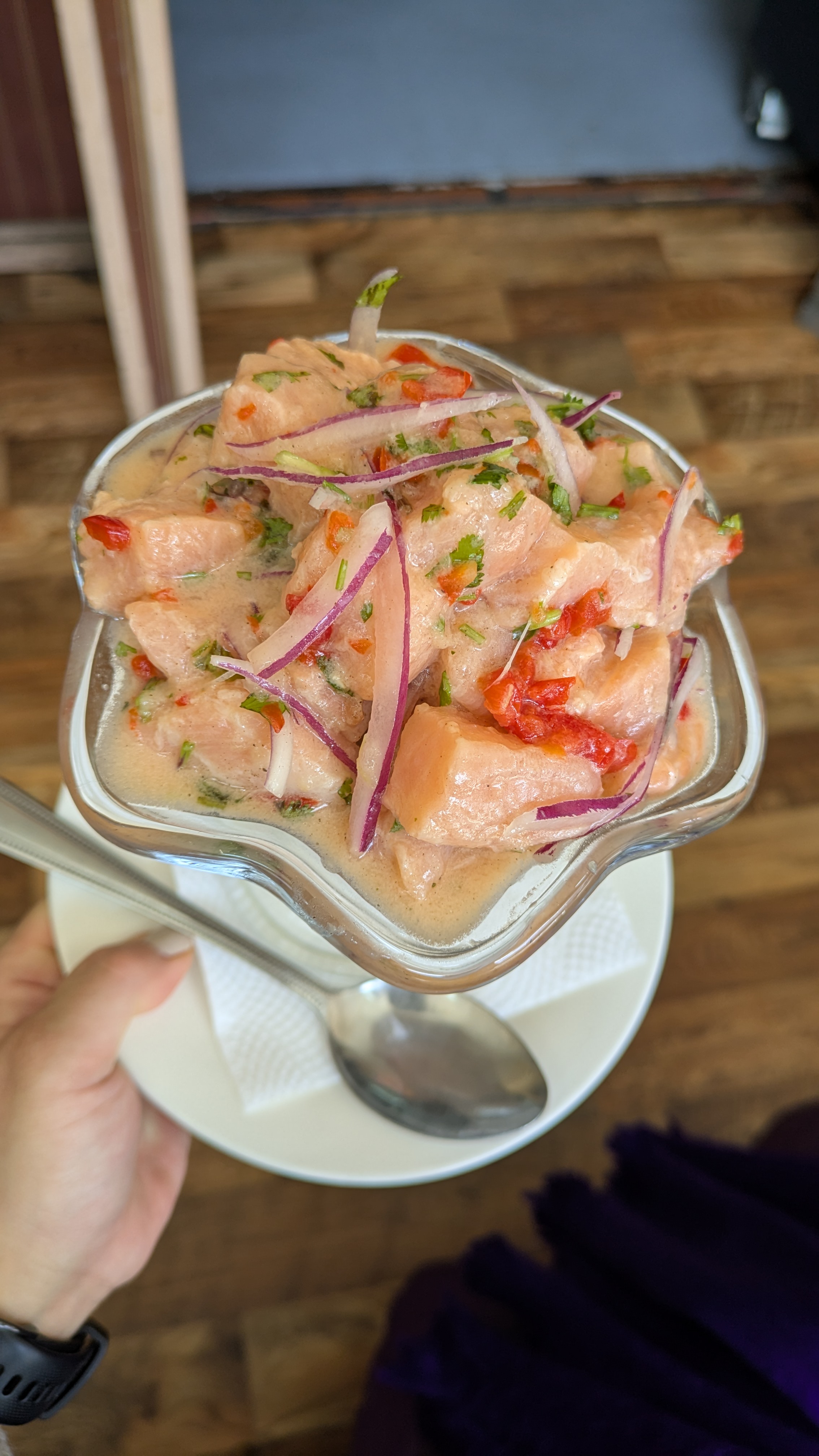
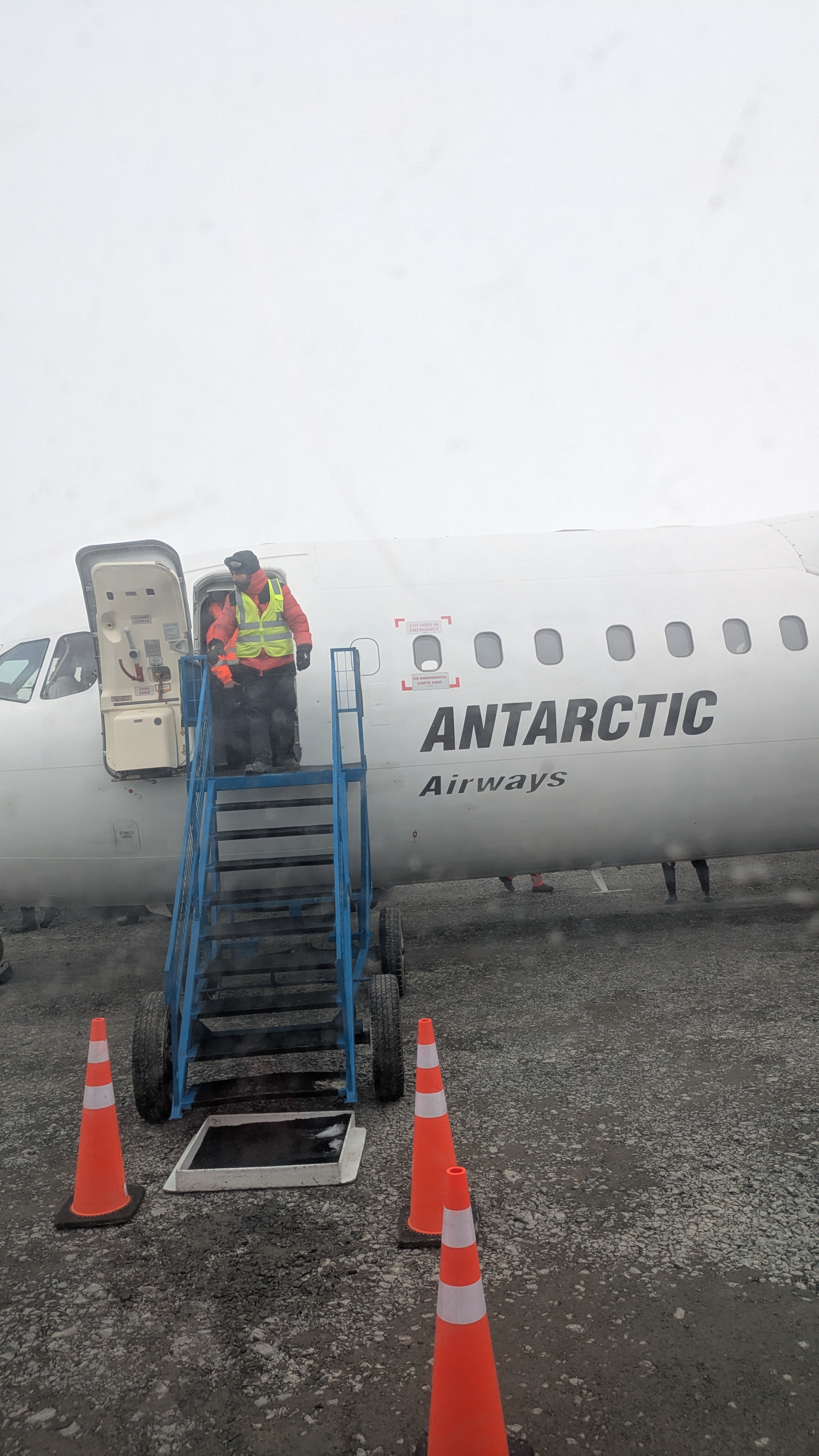
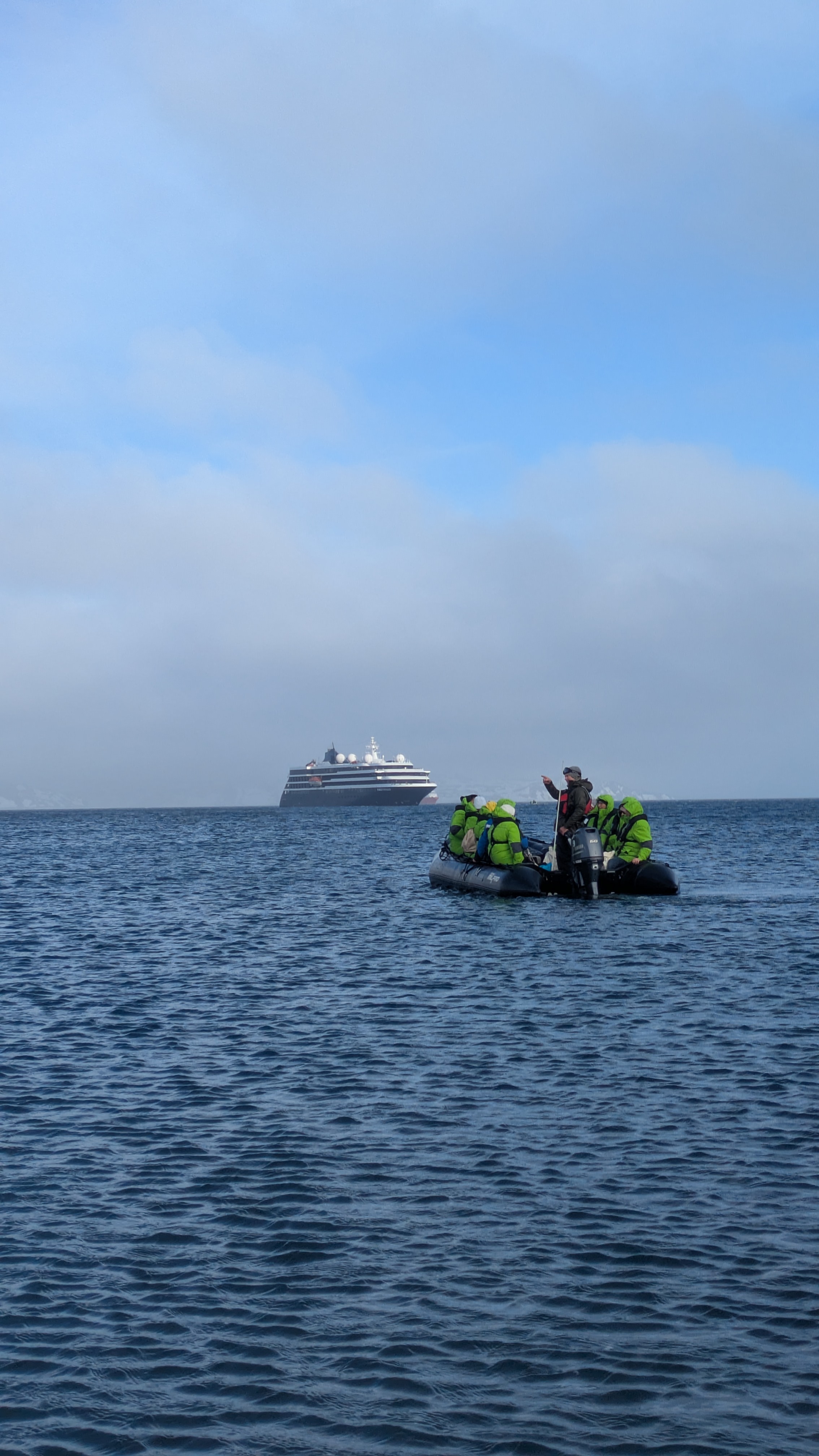
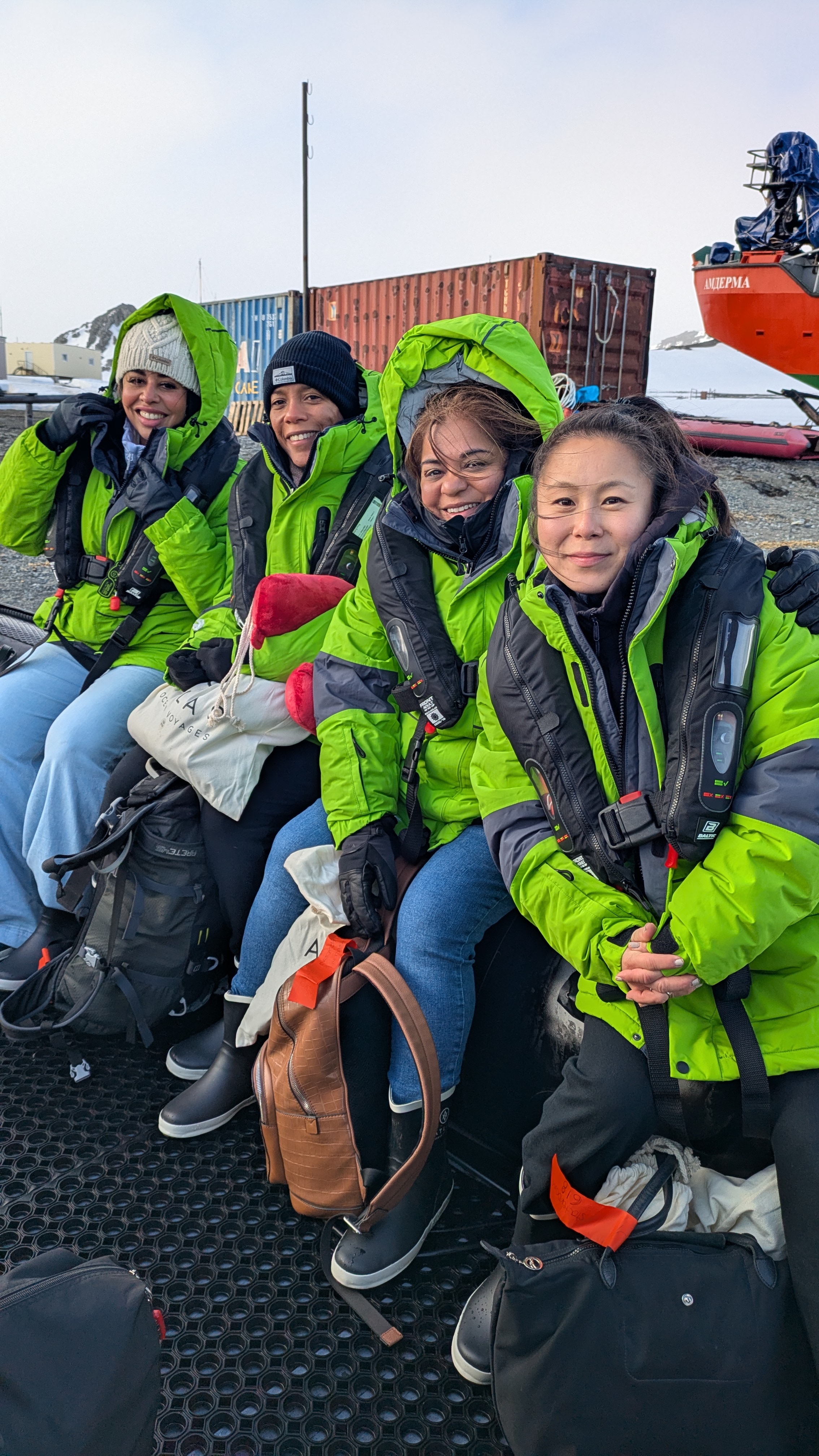
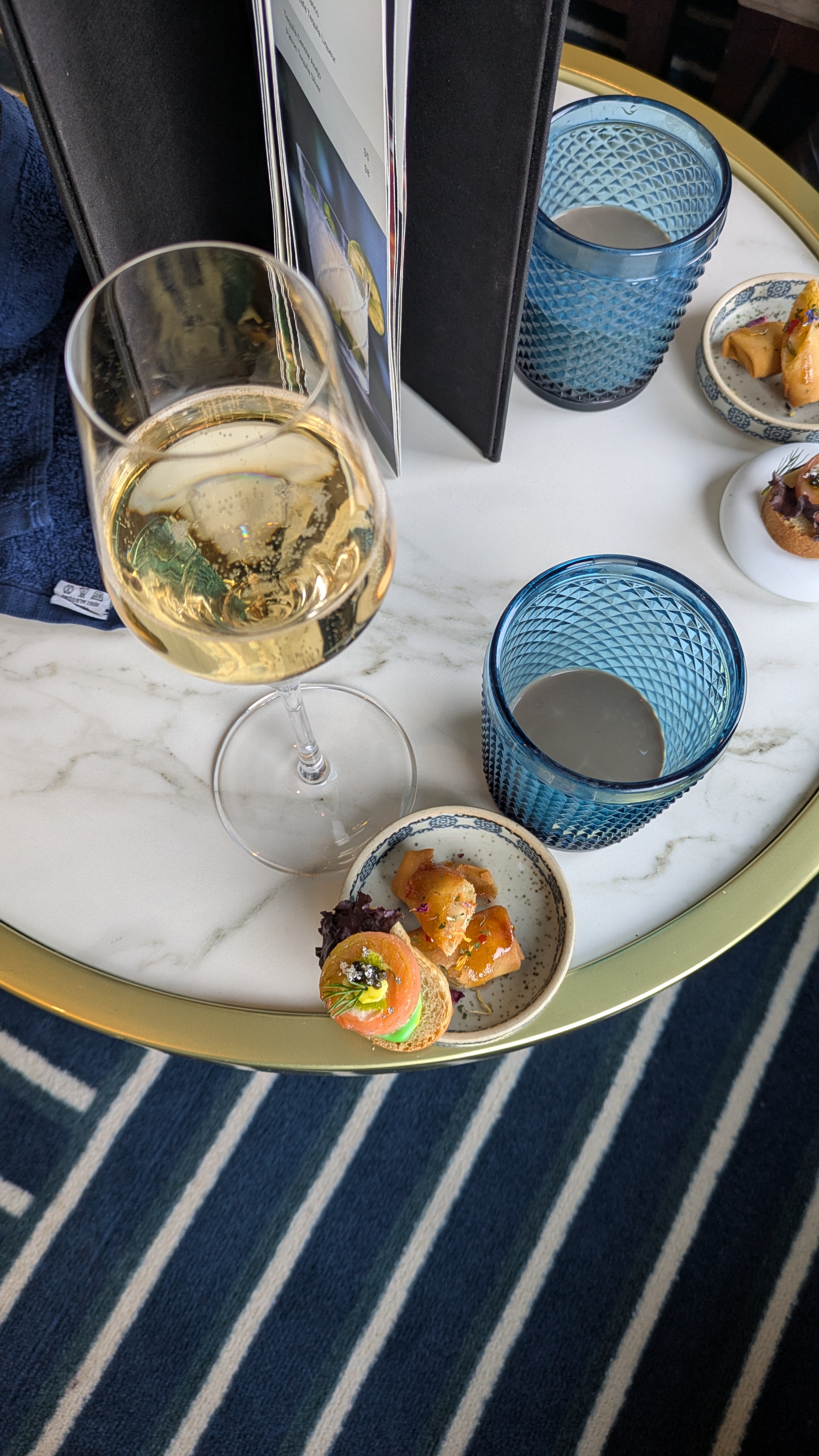
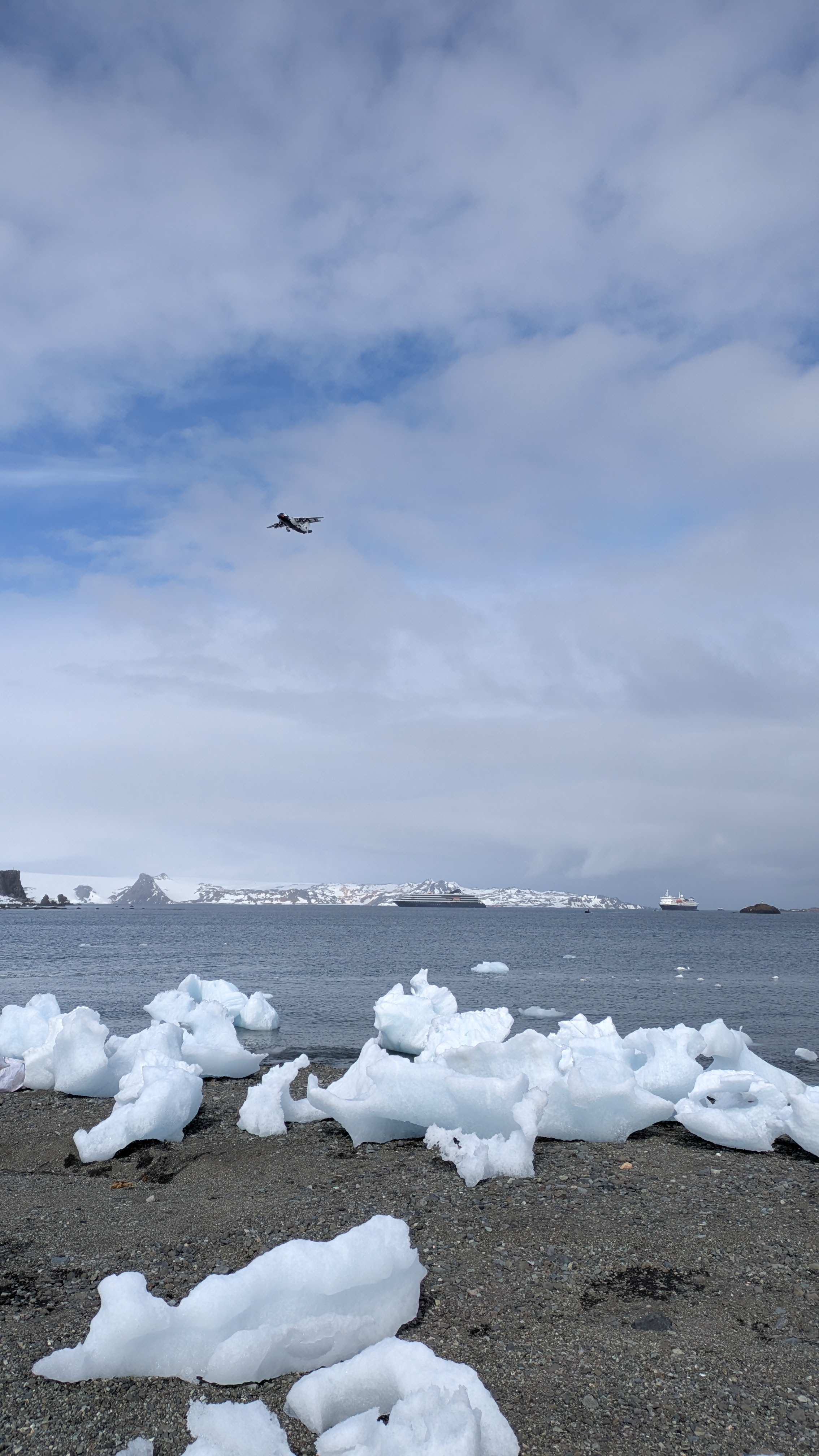
The private charter flight left around 4pm and took just over 2 hours to King George Island. Looking out the window, it was pretty surreal to think we were heading to a place that most people wouldn’t even dream about. After a slightly rough landing, we got on a small bus from the airport to then get a zodiac (rubber boat) to our cruise ship. The waters were rough but we made it to the ship and as we boarded, we were handed warm towels and a hot drink. We were greeted with champagne on arrival and canapés, checked into our rooms, did the mandatory safety briefing and guest drill before heading down to dinner. It was windy and the seas were quite rough that day so I had an early night.
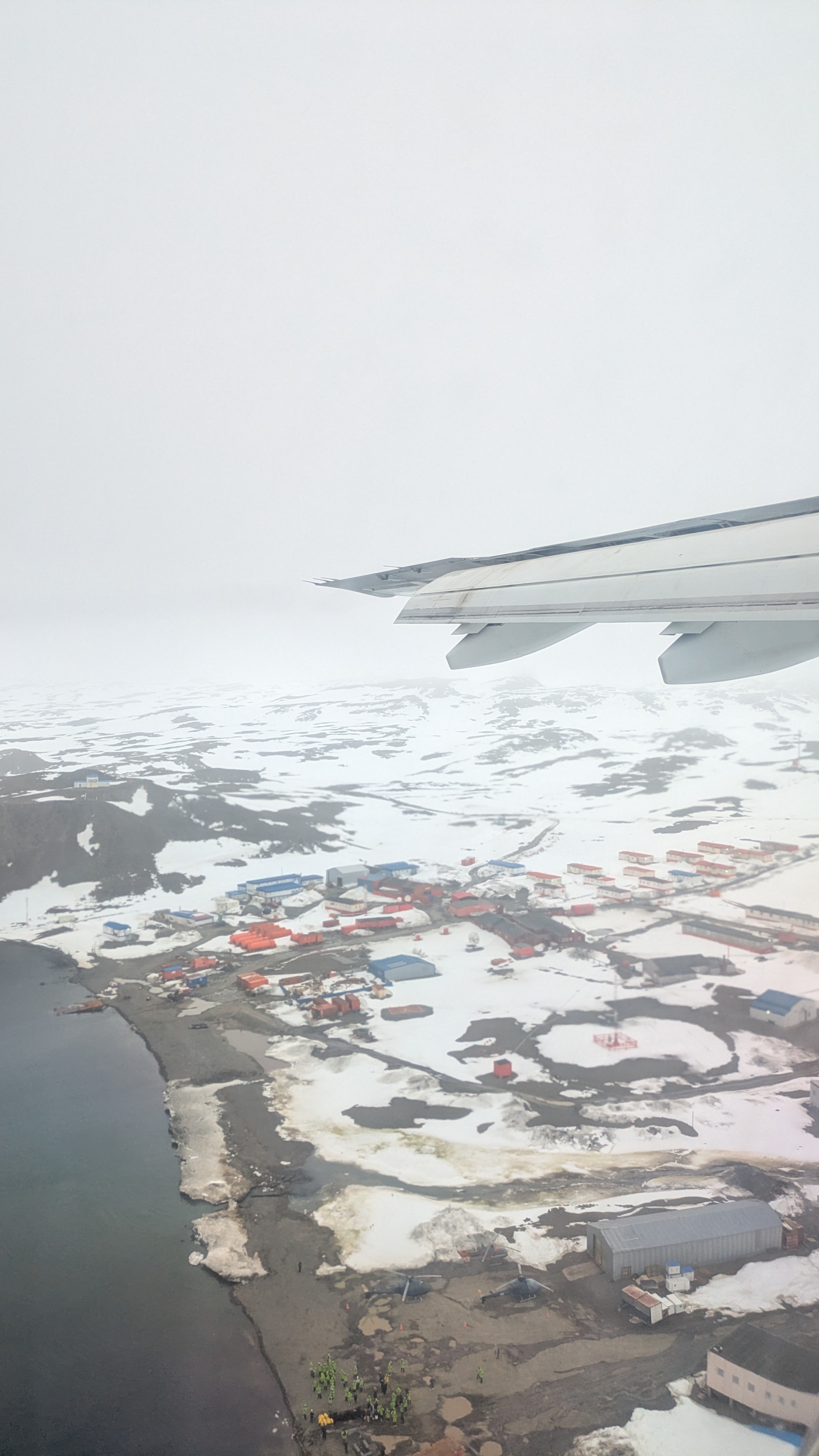
Day 2 – Frei Station, Curtiss Bay
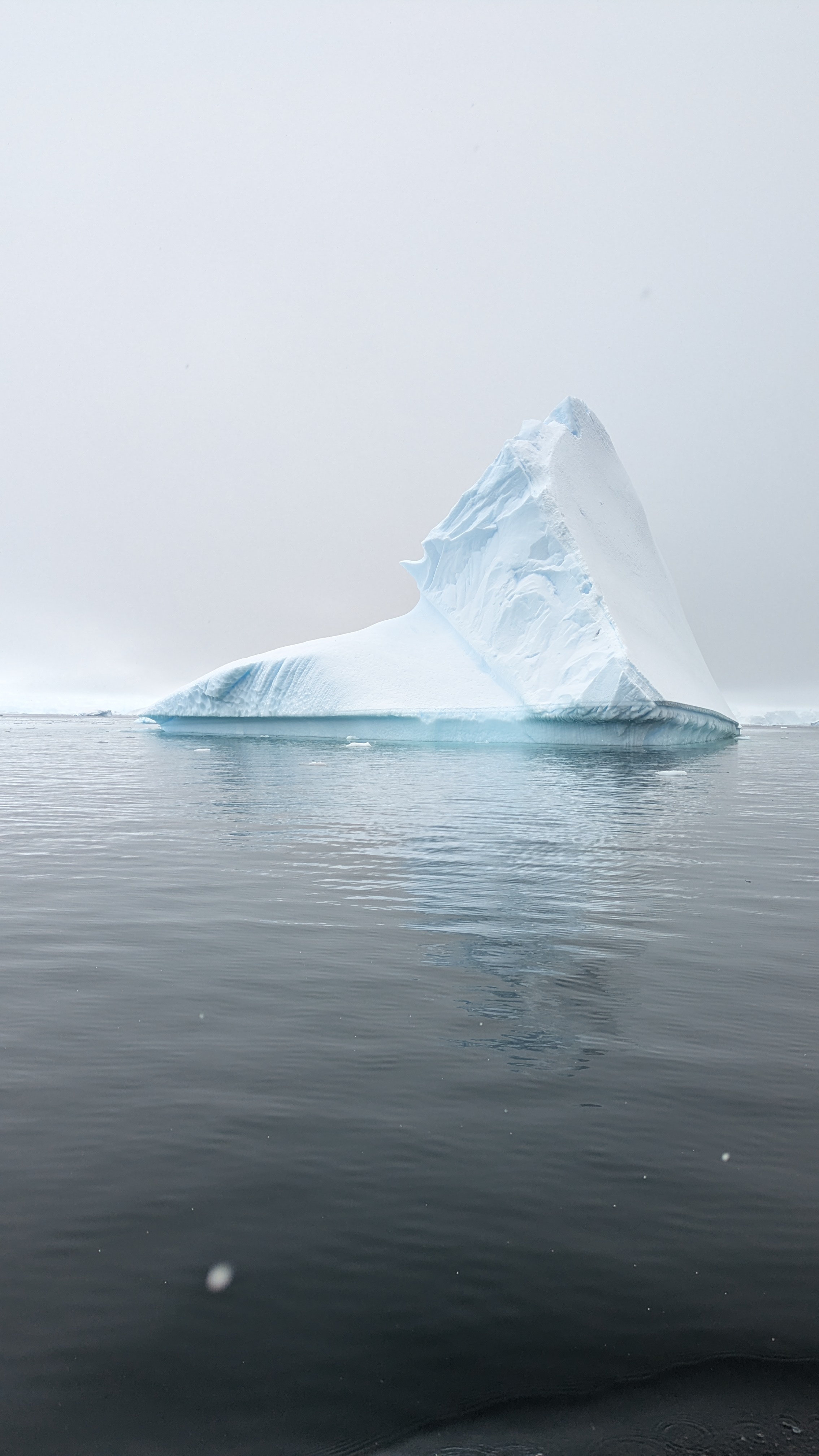
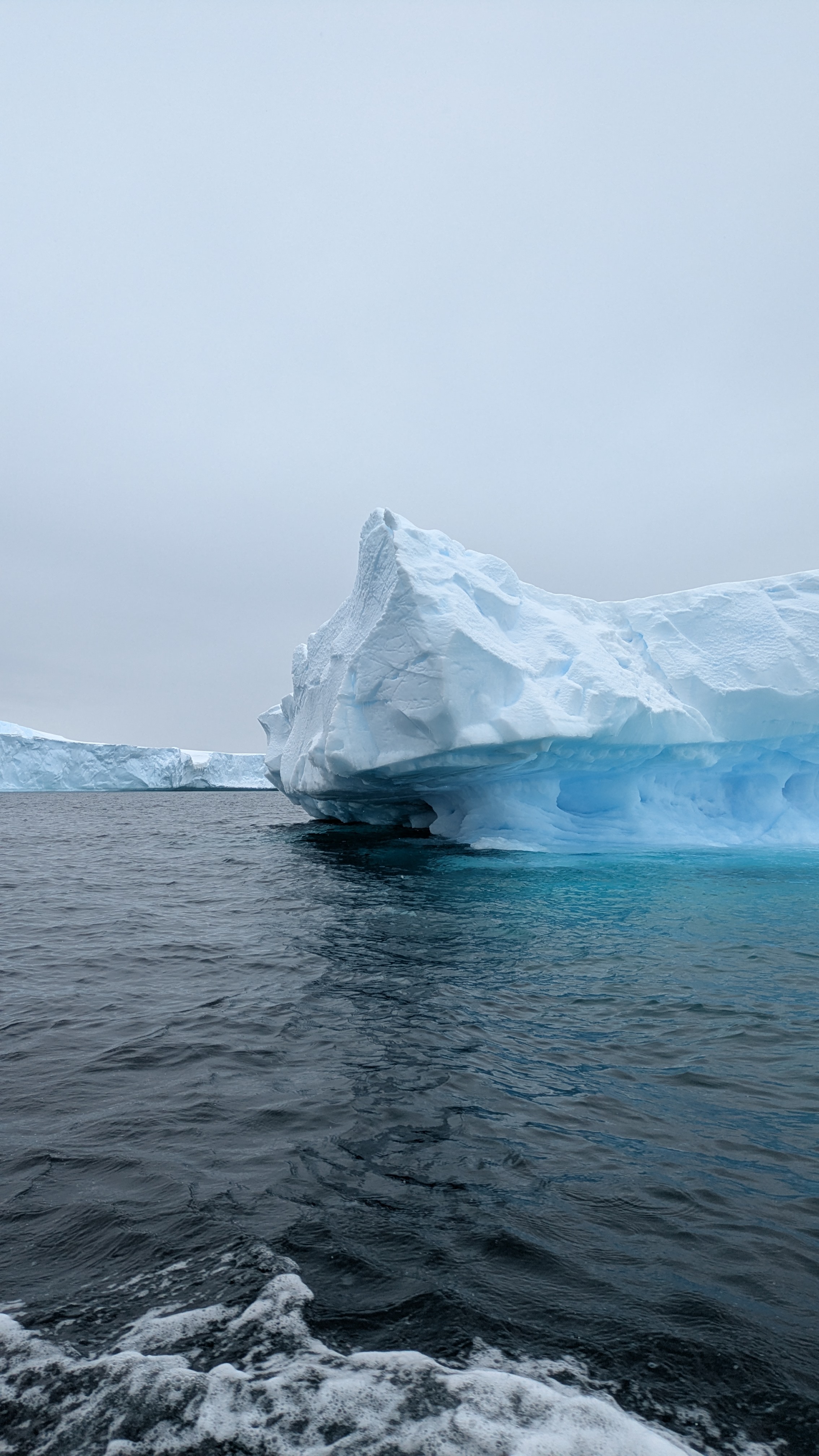
I woke up still feeling not well from the rocking, however looking outside and seeing the stunning ice scenery was unreal. Breakfast was light as I couldn’t eat as much but the fresh ginger and apple juices helped with the sea sickness. We had the IAATO briefing which outlines what can and cannot be done in Antarctica including only having 100 people on the land at one time. This is why the cruise restricts numbers to 200 passengers total. This was followed by a zodiac briefing before doing a boot fitting and a bio security check to clean any clothes worn on land doesn’t contaminate the natural habitat.
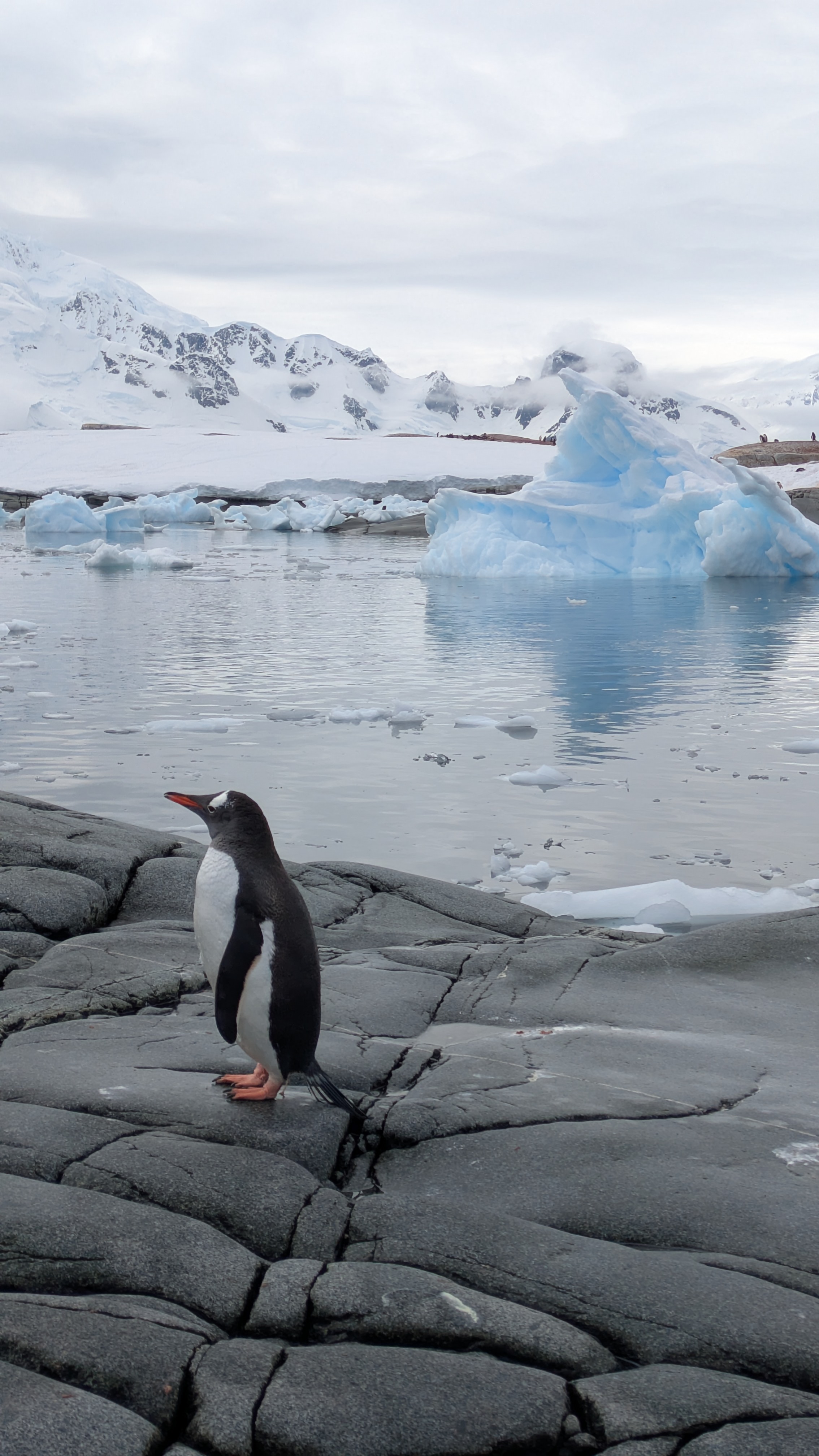
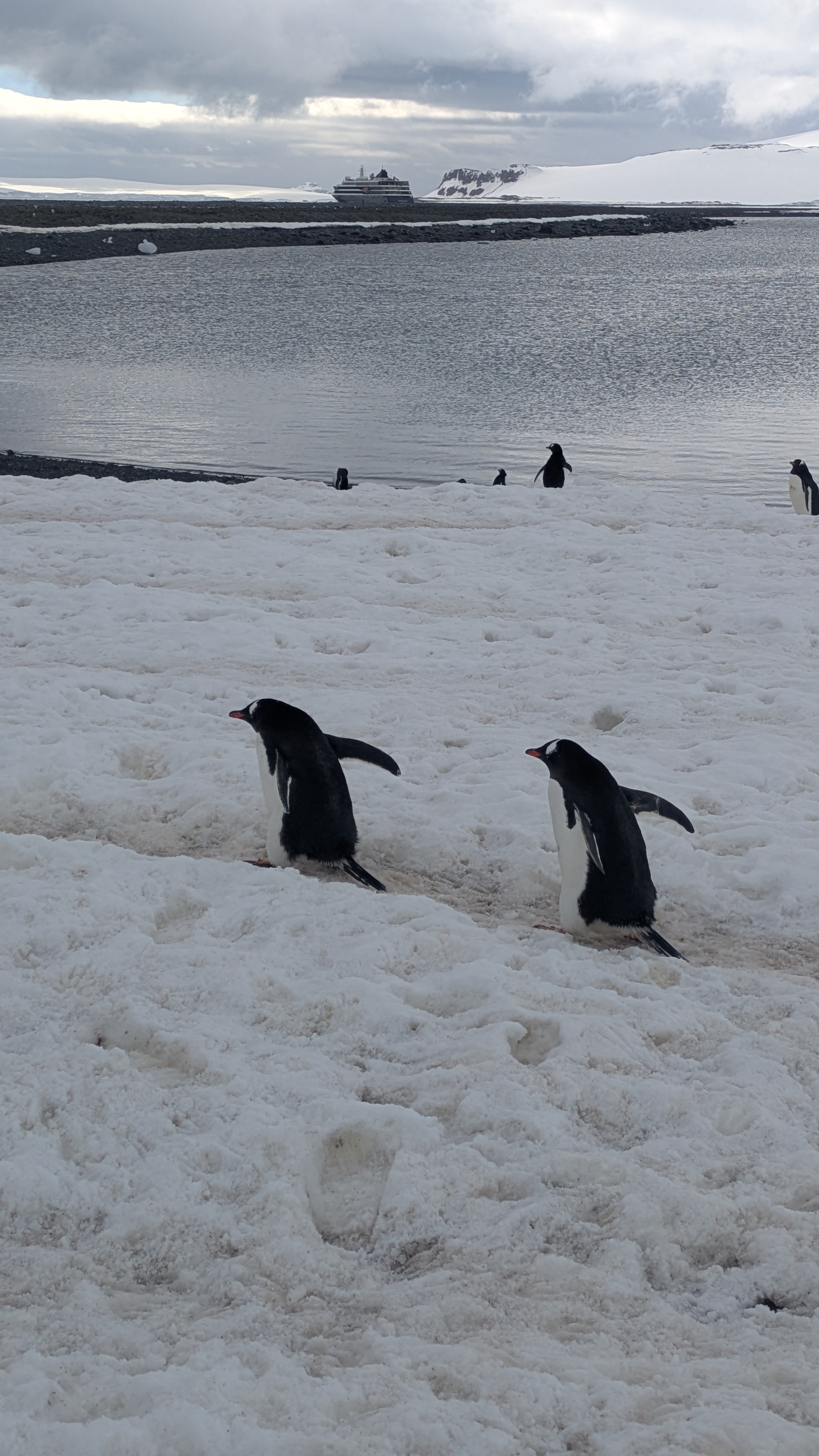
After lunch, we docked at Curtiss Bay. We headed out in groups which alternated in order each day. We went on the zodiacs which fit around 10 people. The waters were quite rough still but the views were jaw dropping. We saw the adelie penguins which are true Antarctic penguins that stay all year around and the Gentoo penguins, distinguished by their orange beaks.
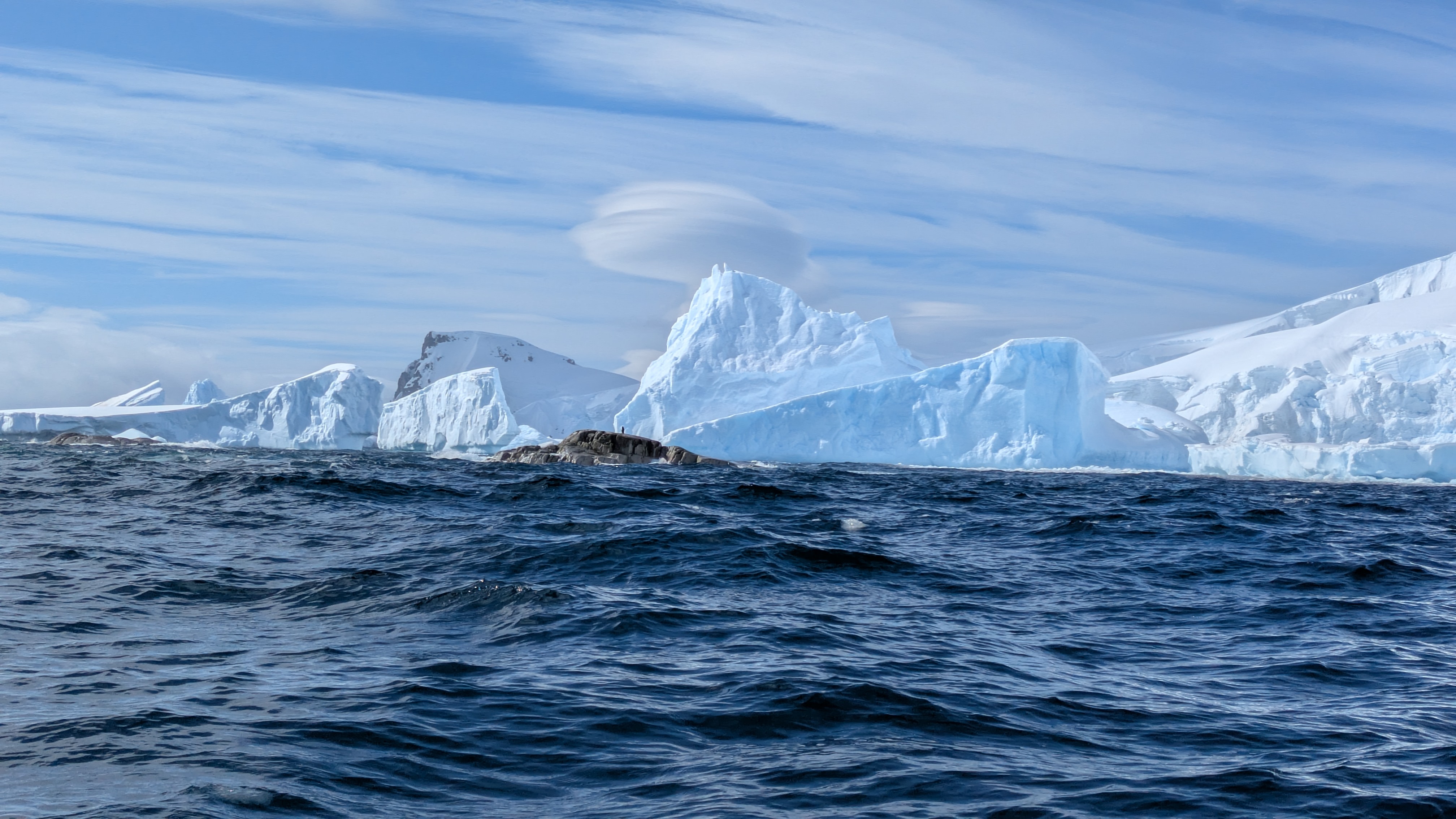
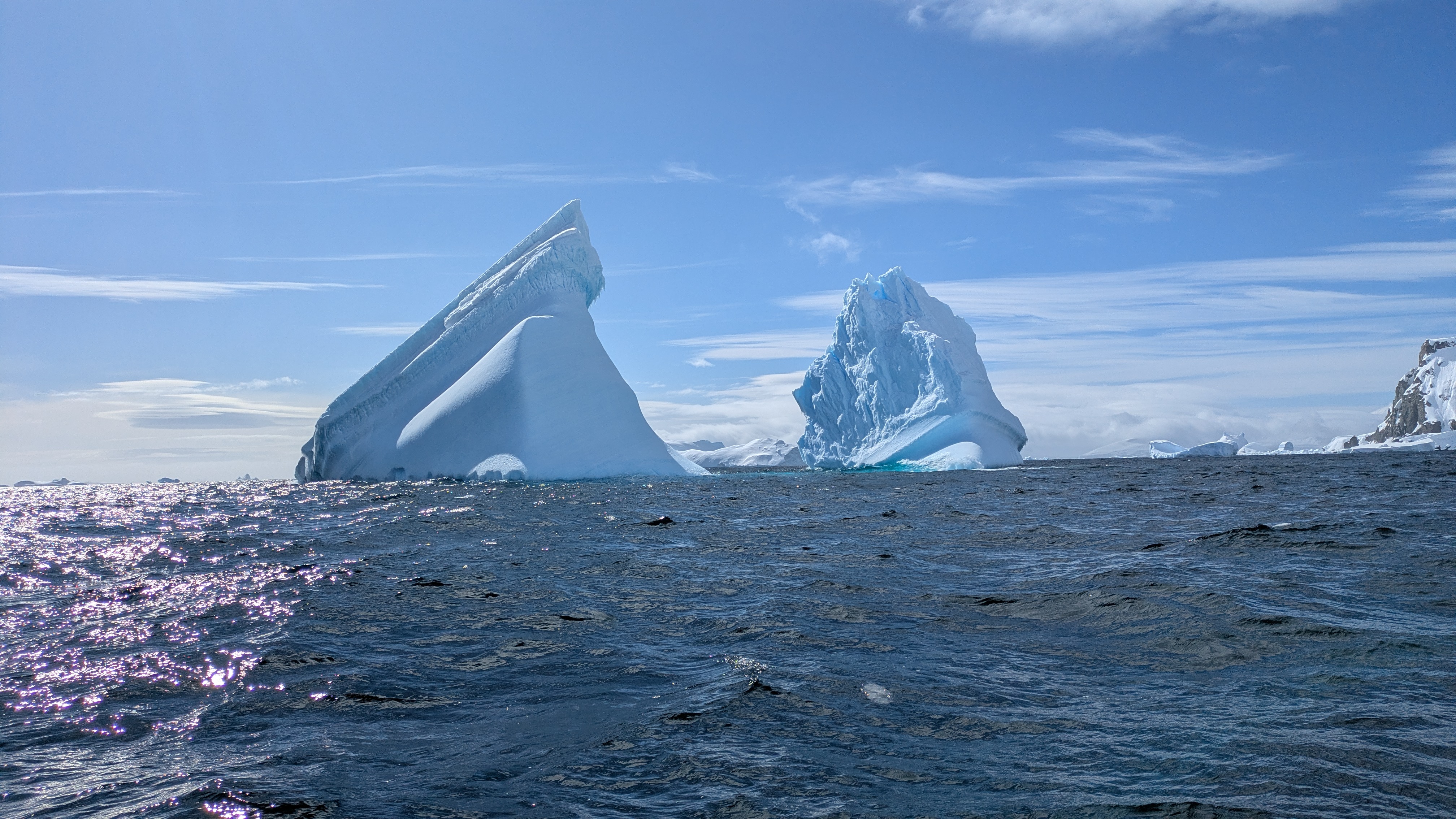
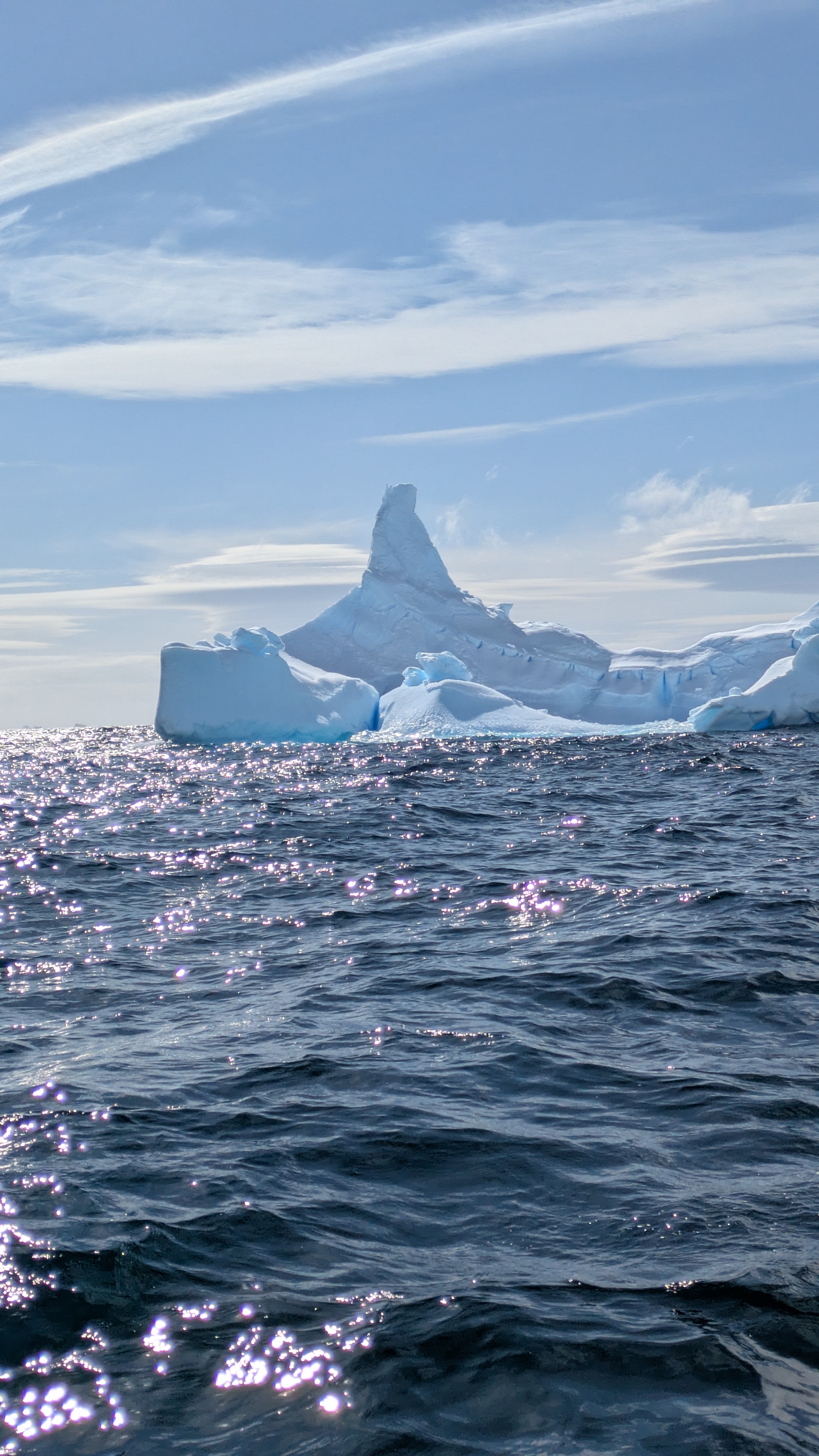
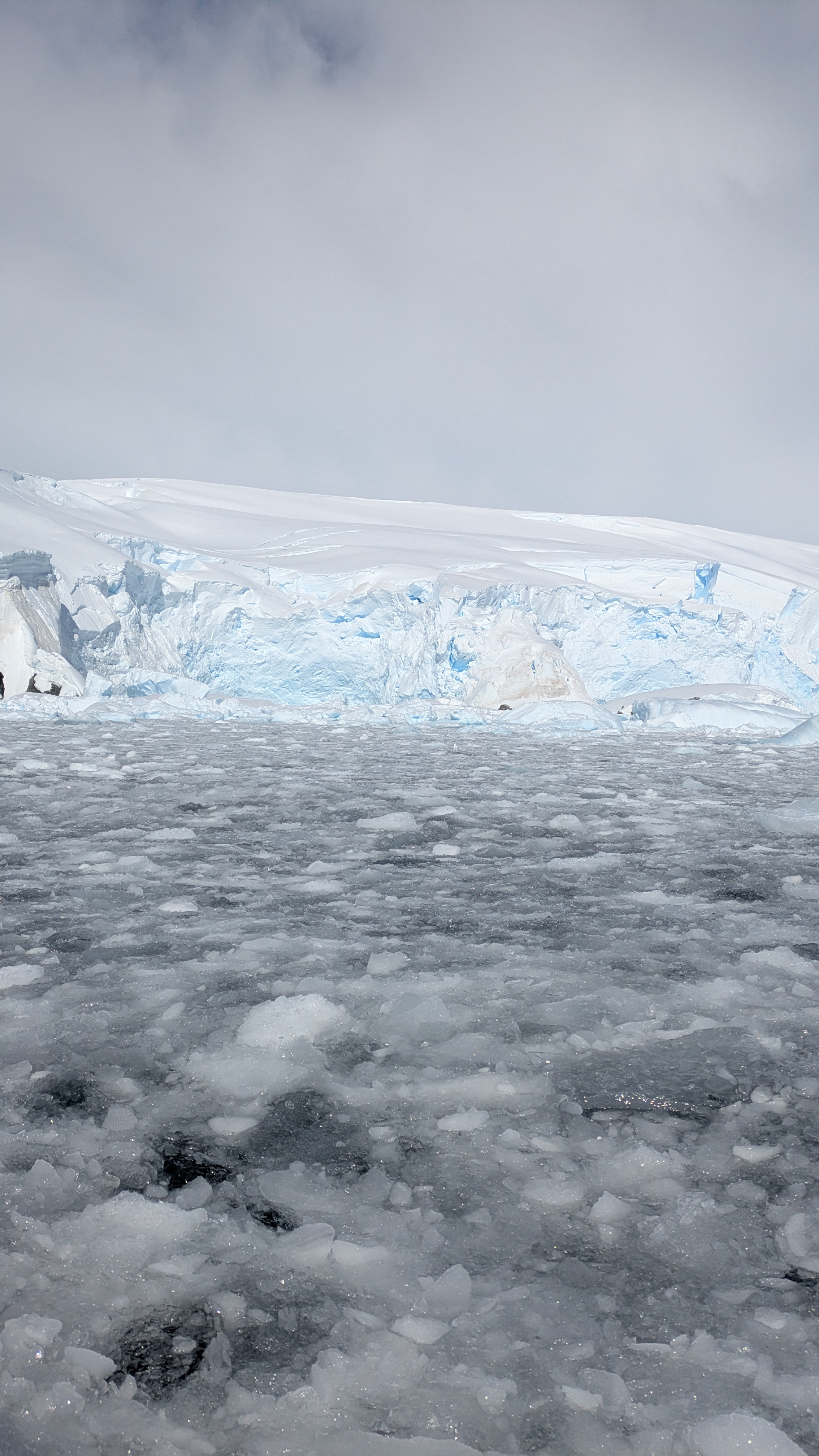
When we came back, high tea was ready, there was an expedition recap and briefing of the following days activities then there was a Captain’s reception followed by dinner.
Day 3 – Useful Bay, Paradise Harbour, Brown Station
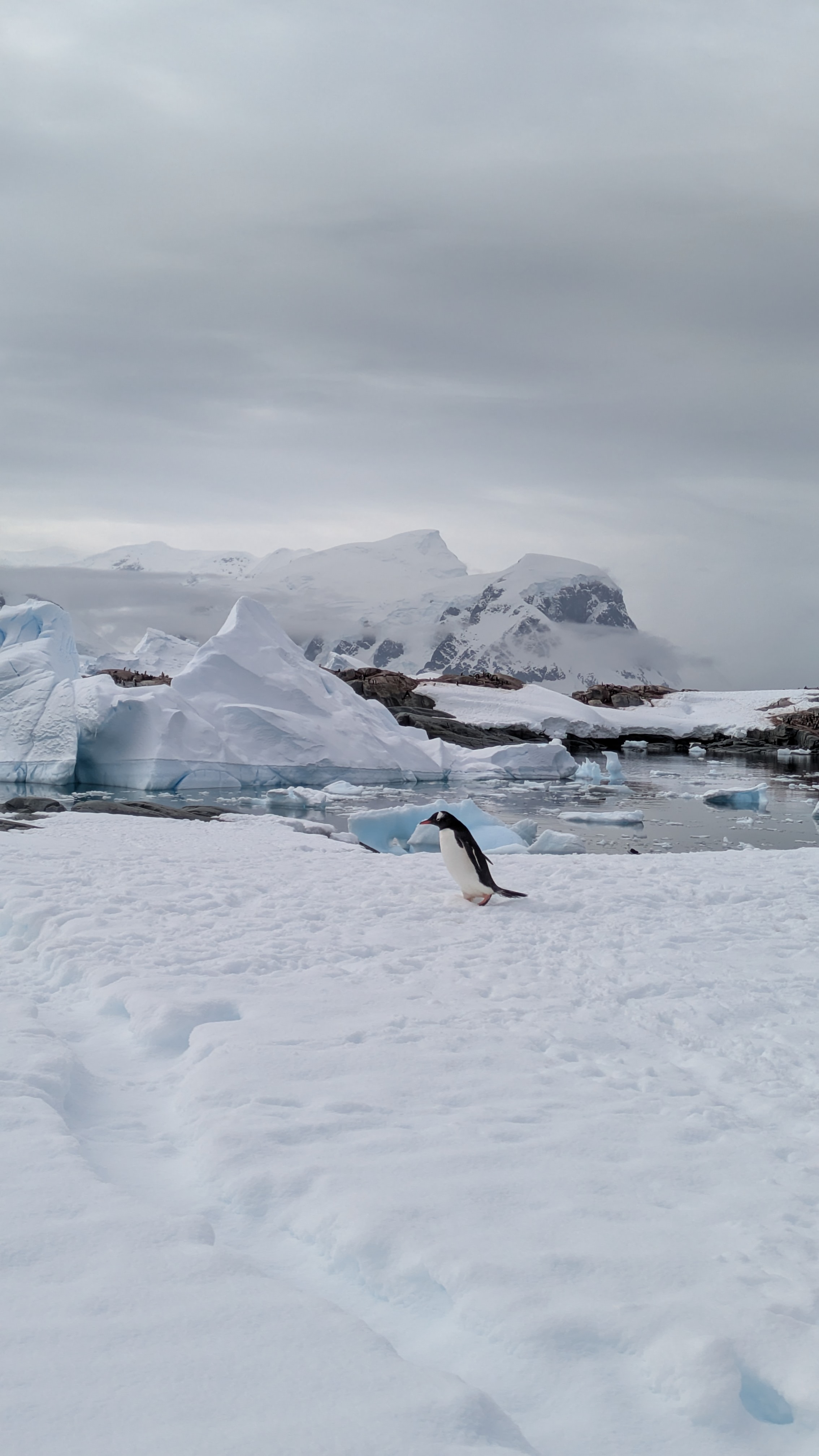
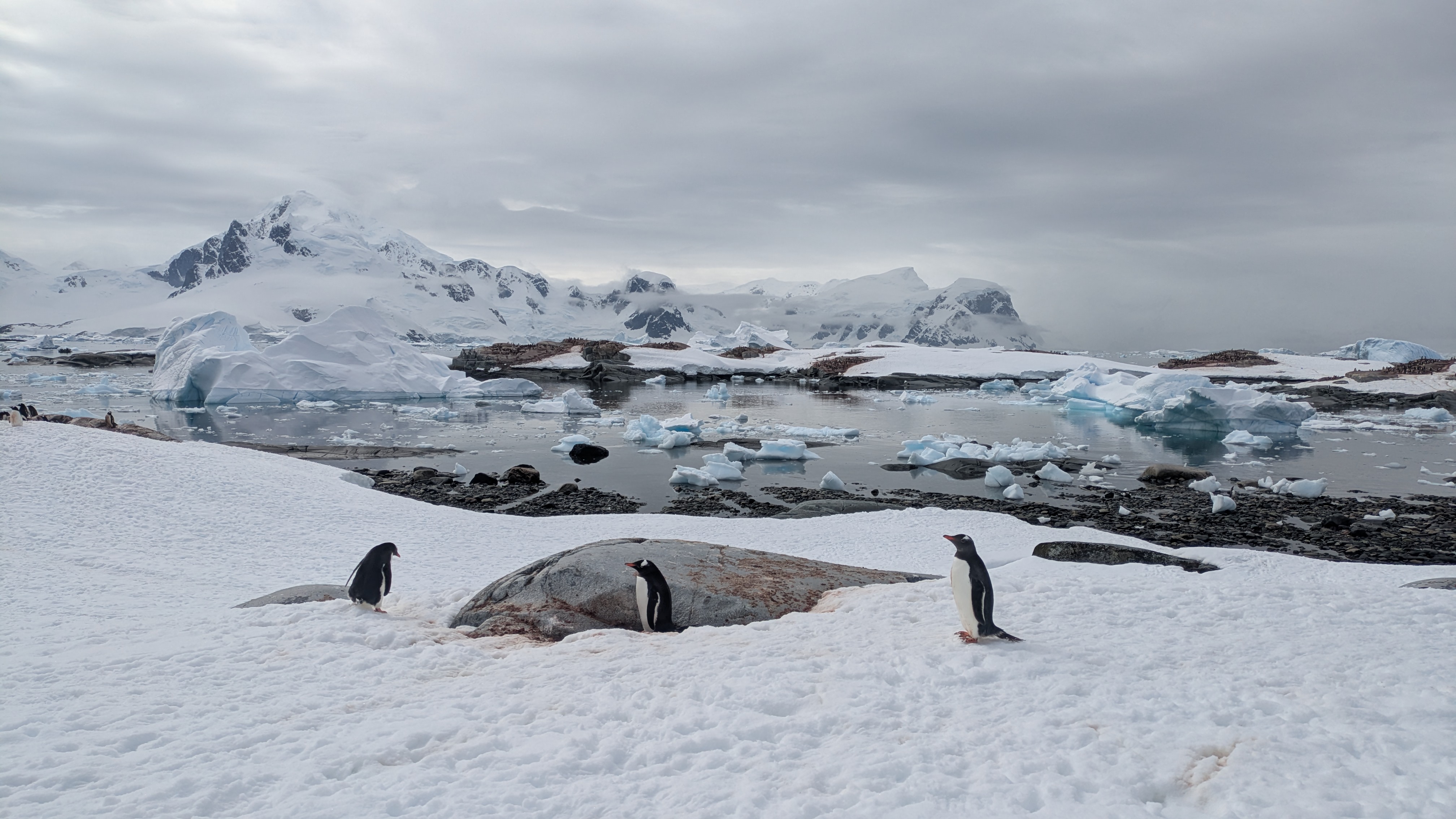
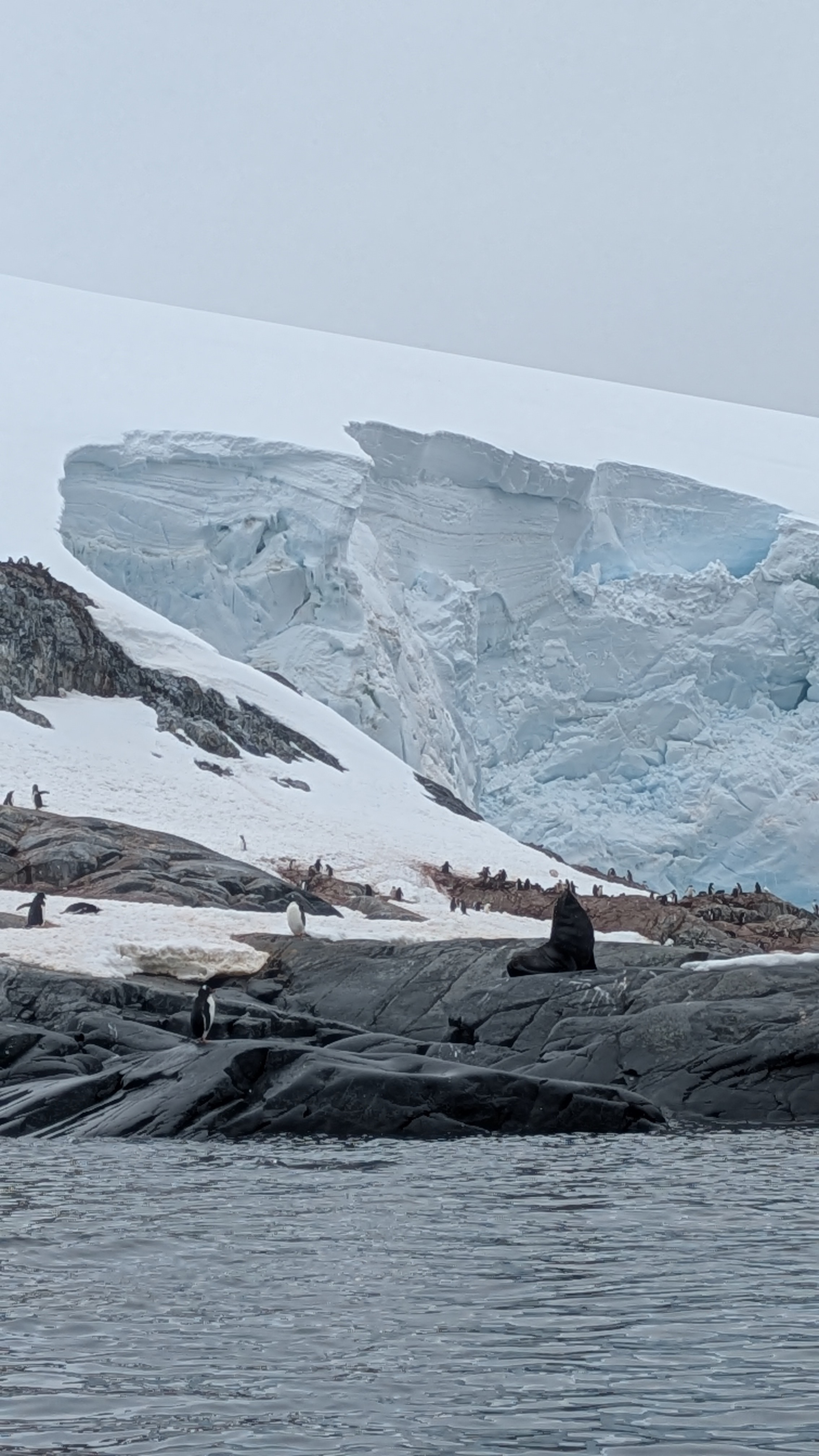
We did a landing to Useful Bay and this was probably my favourite spot. We could walk up to the view point and there were so many penguins, mainly the gentoo.
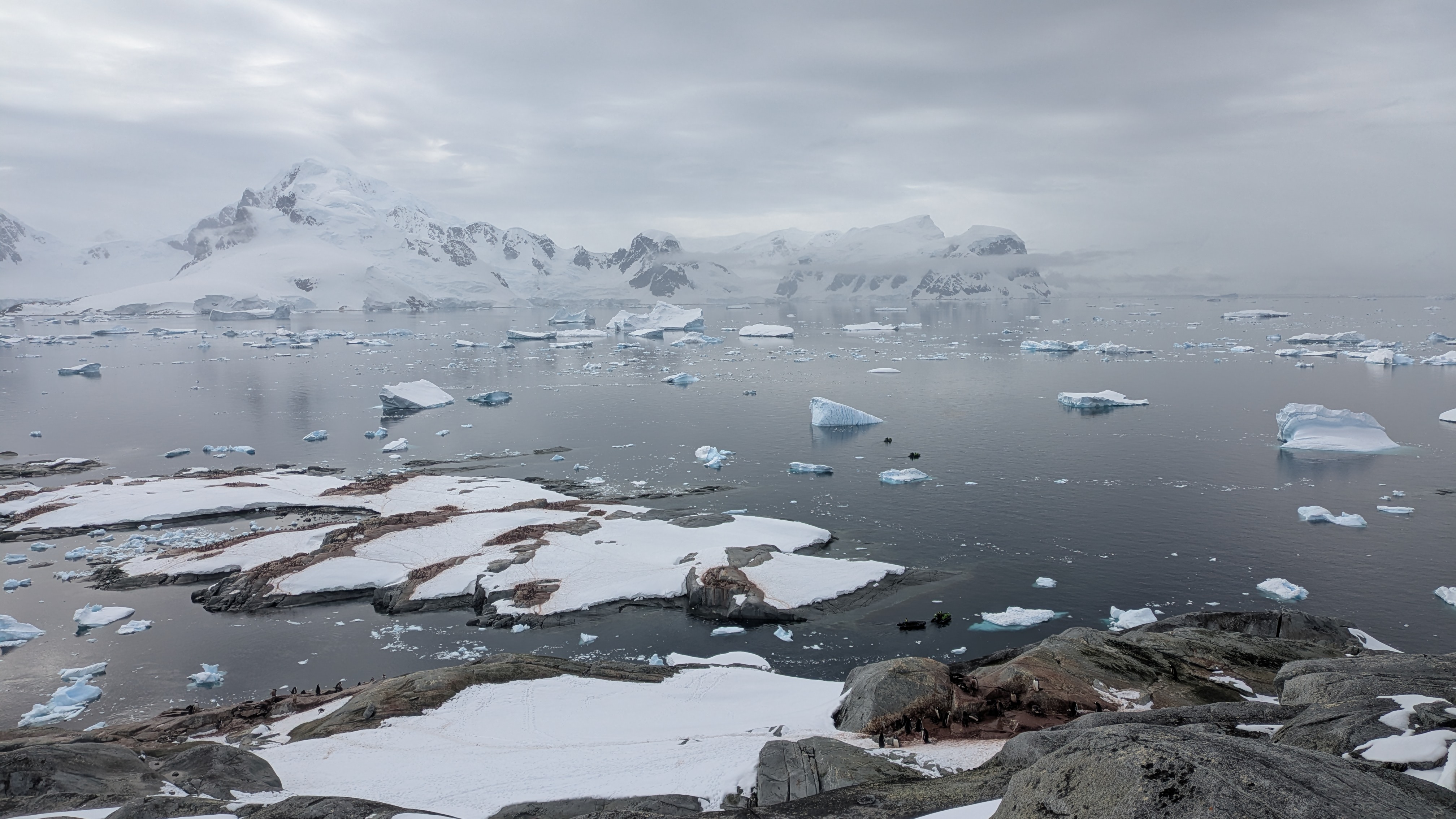
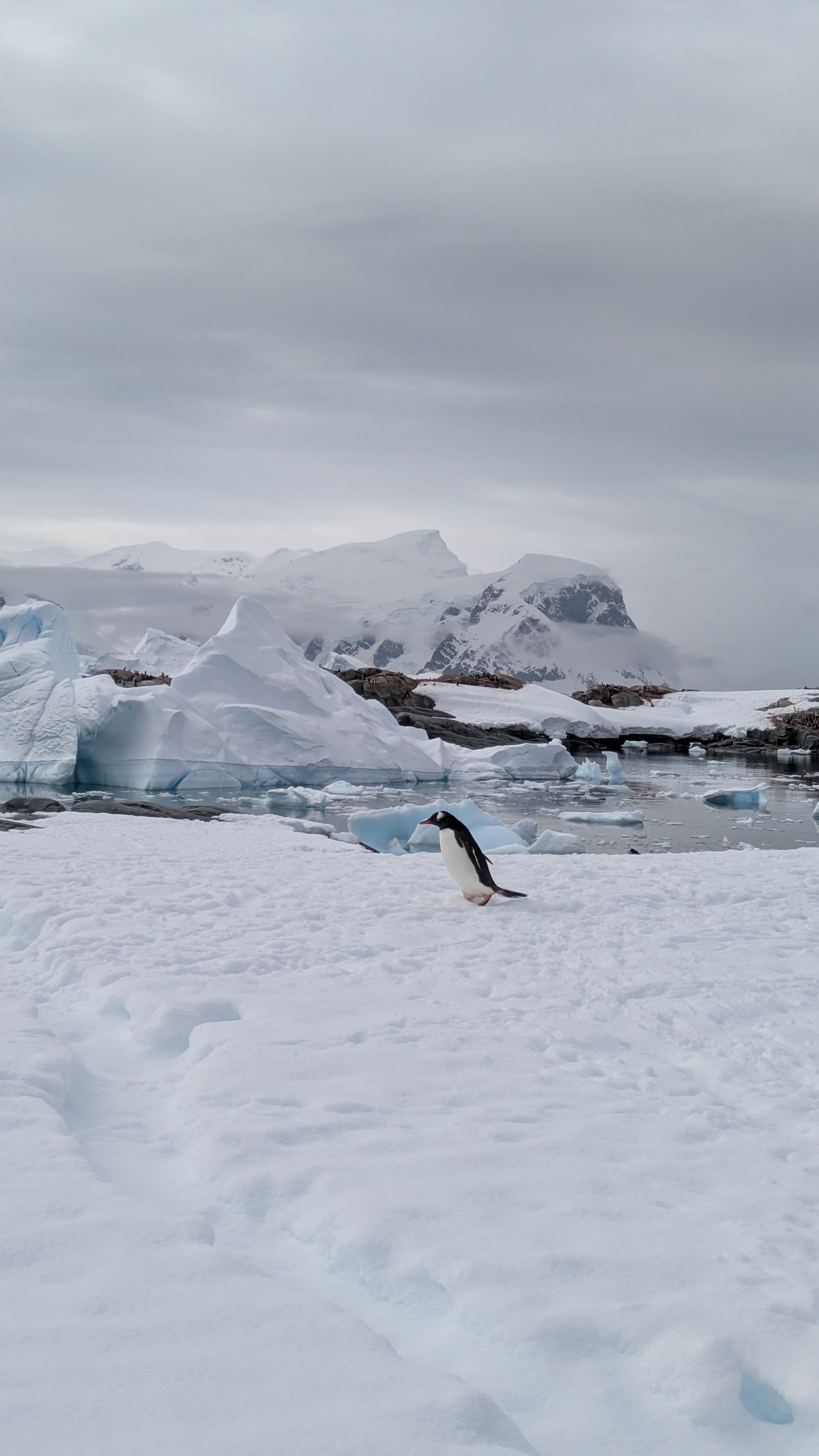

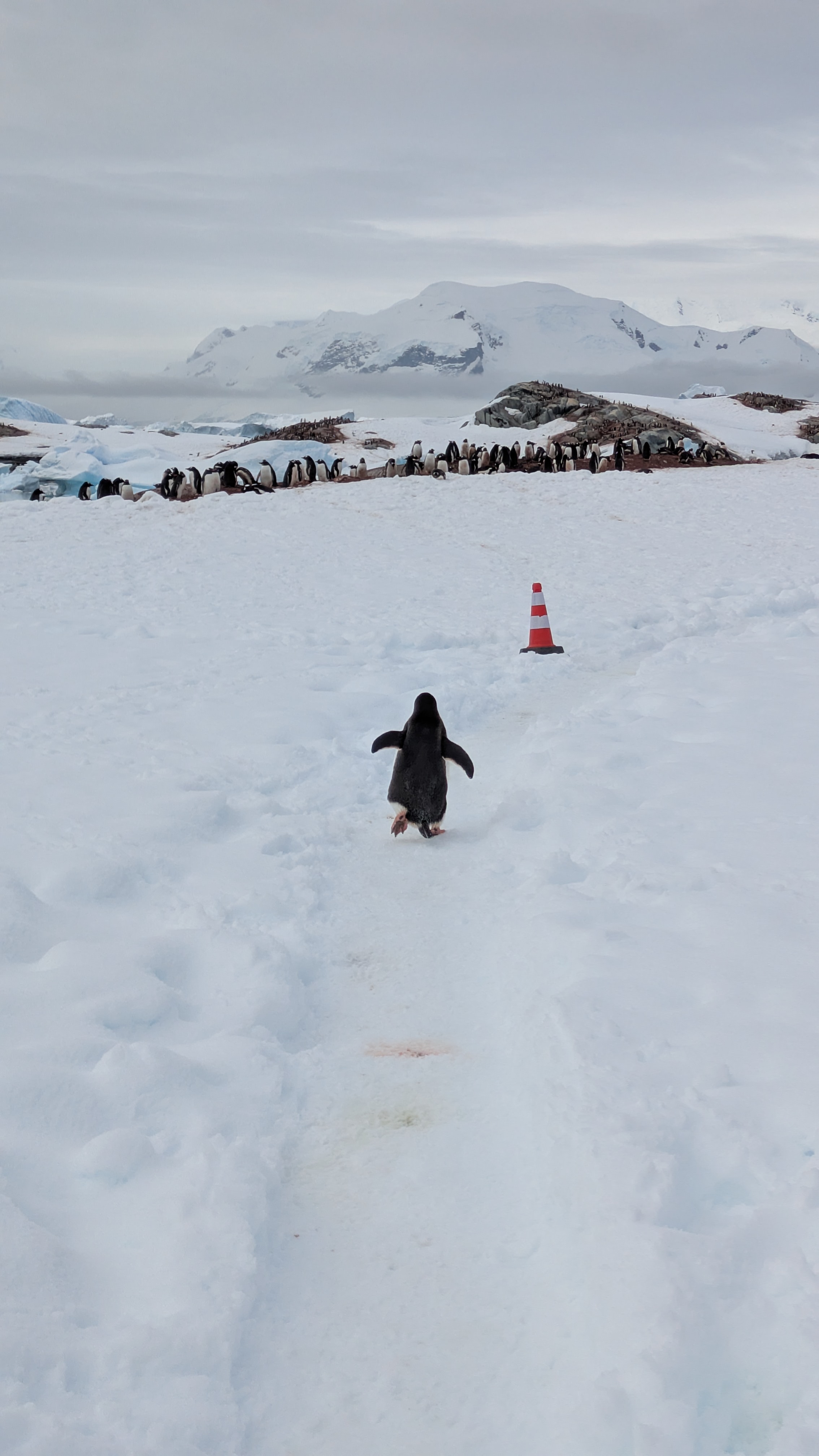
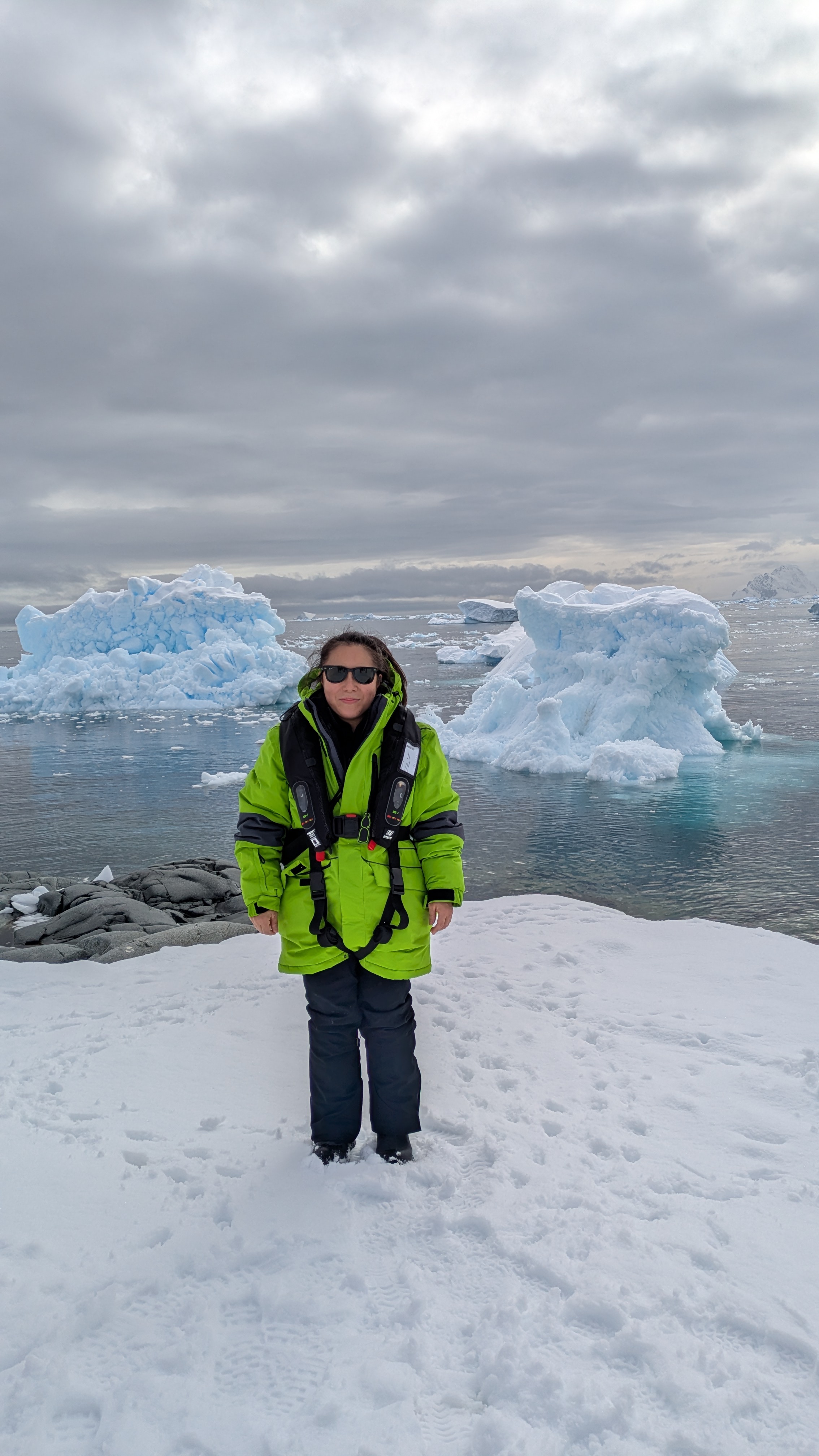
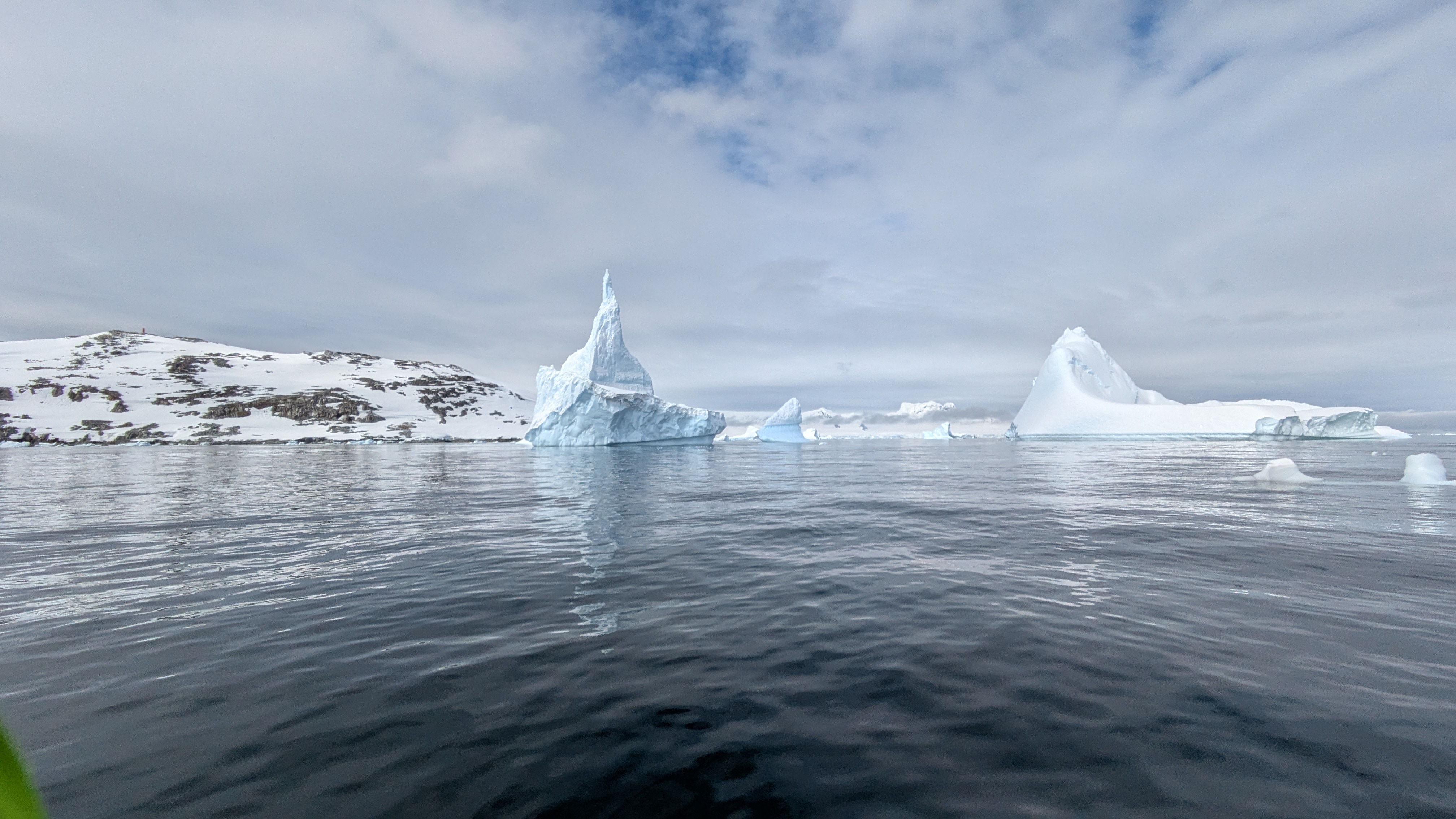
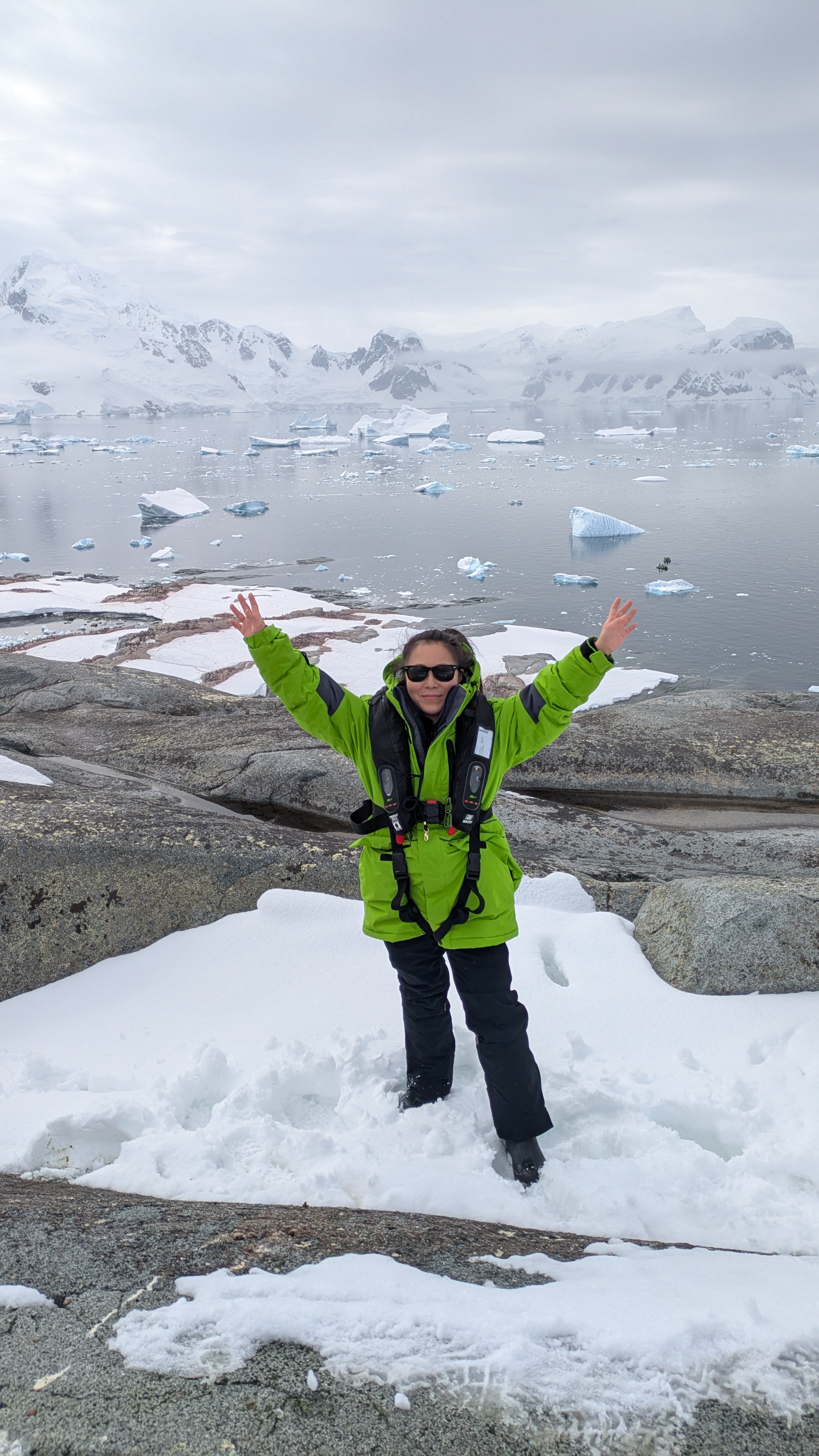
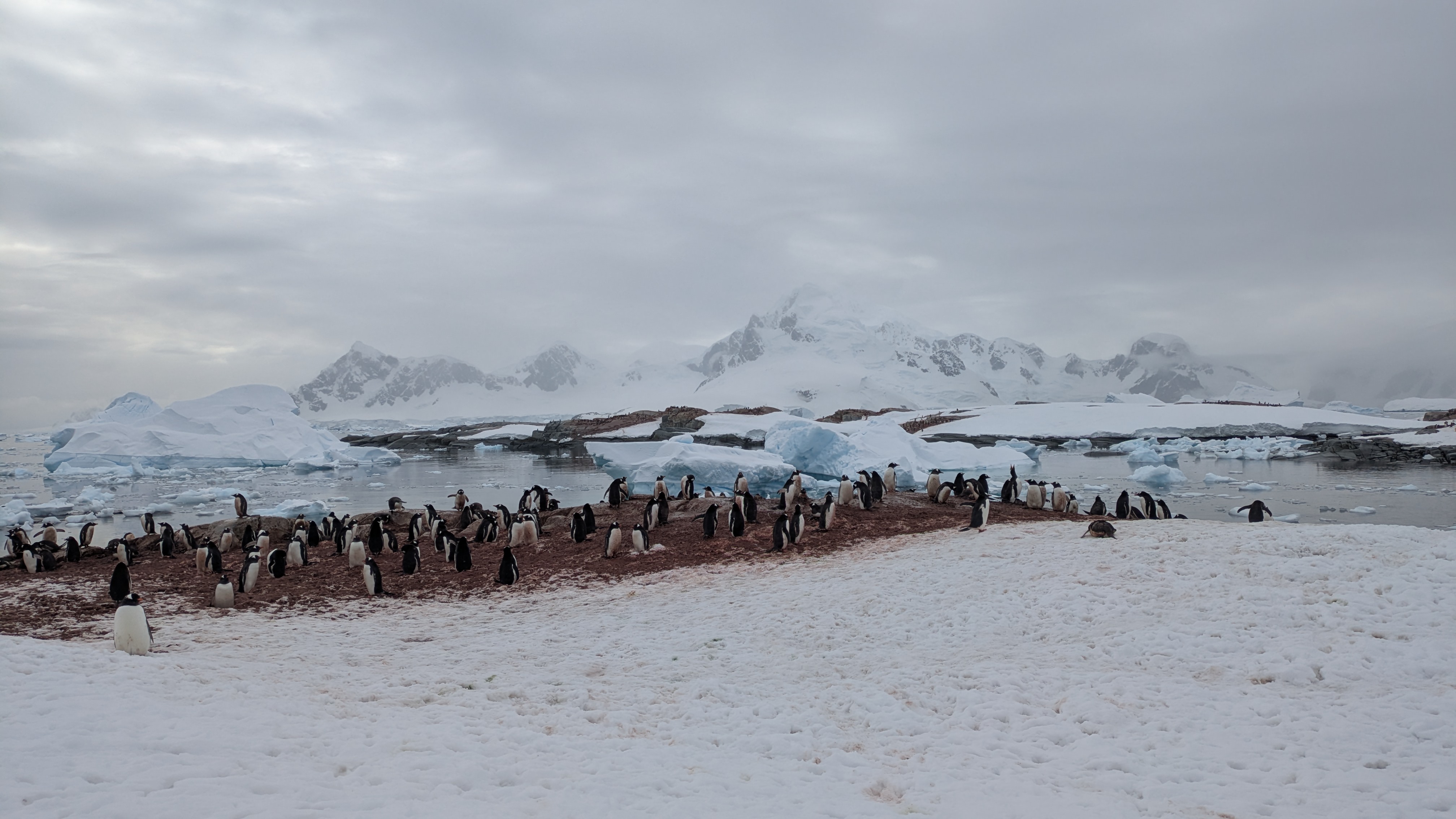
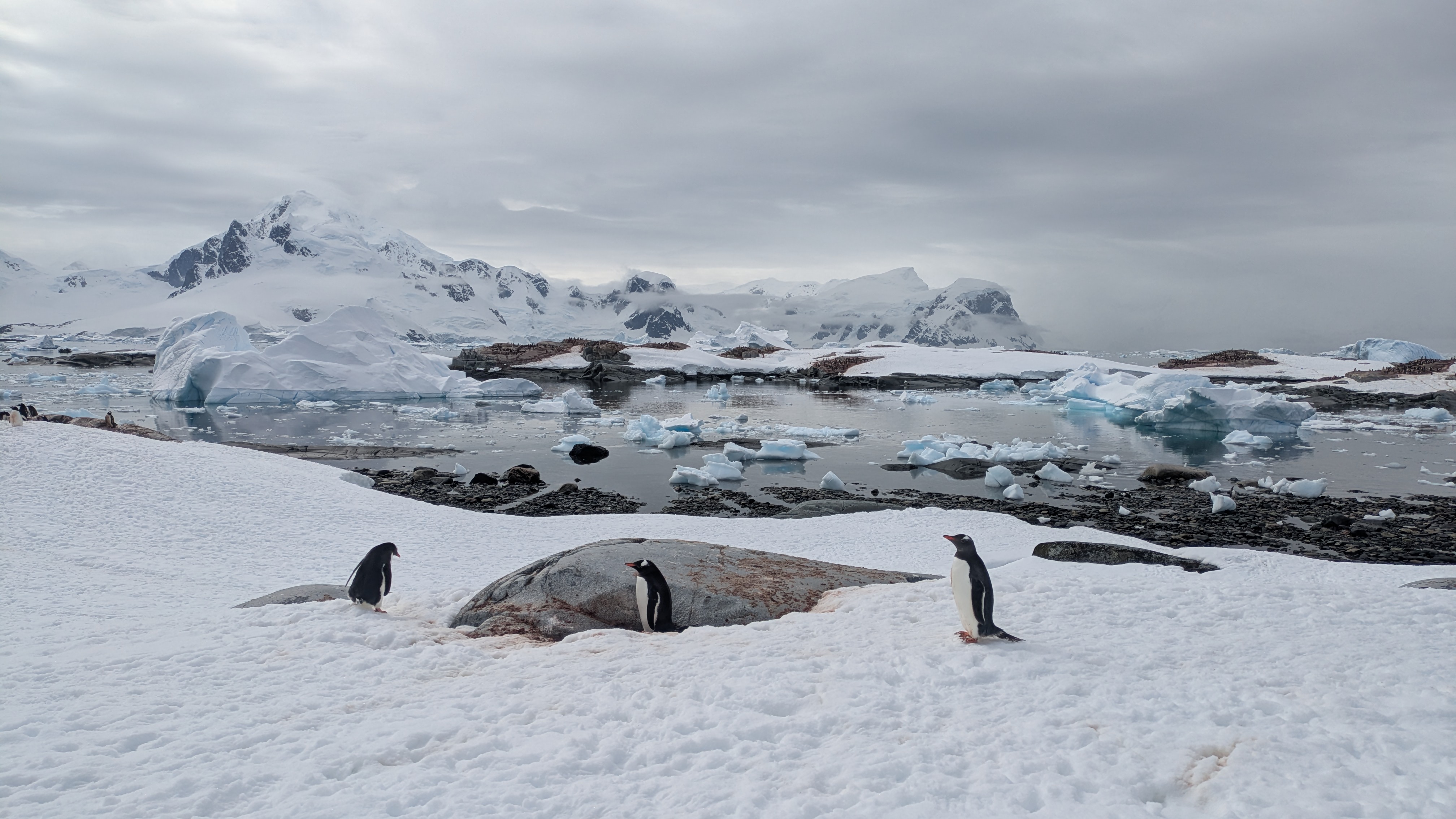
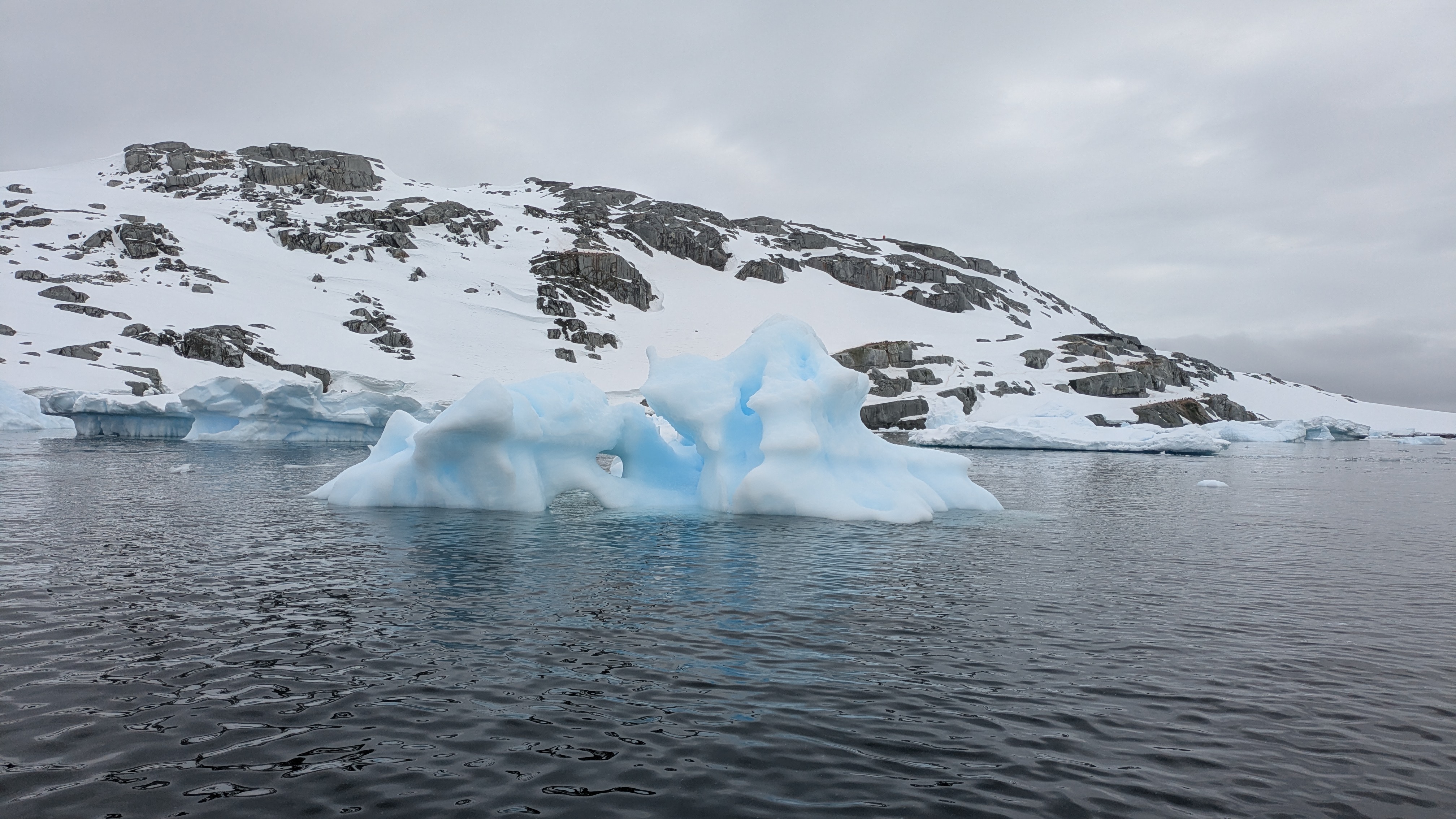
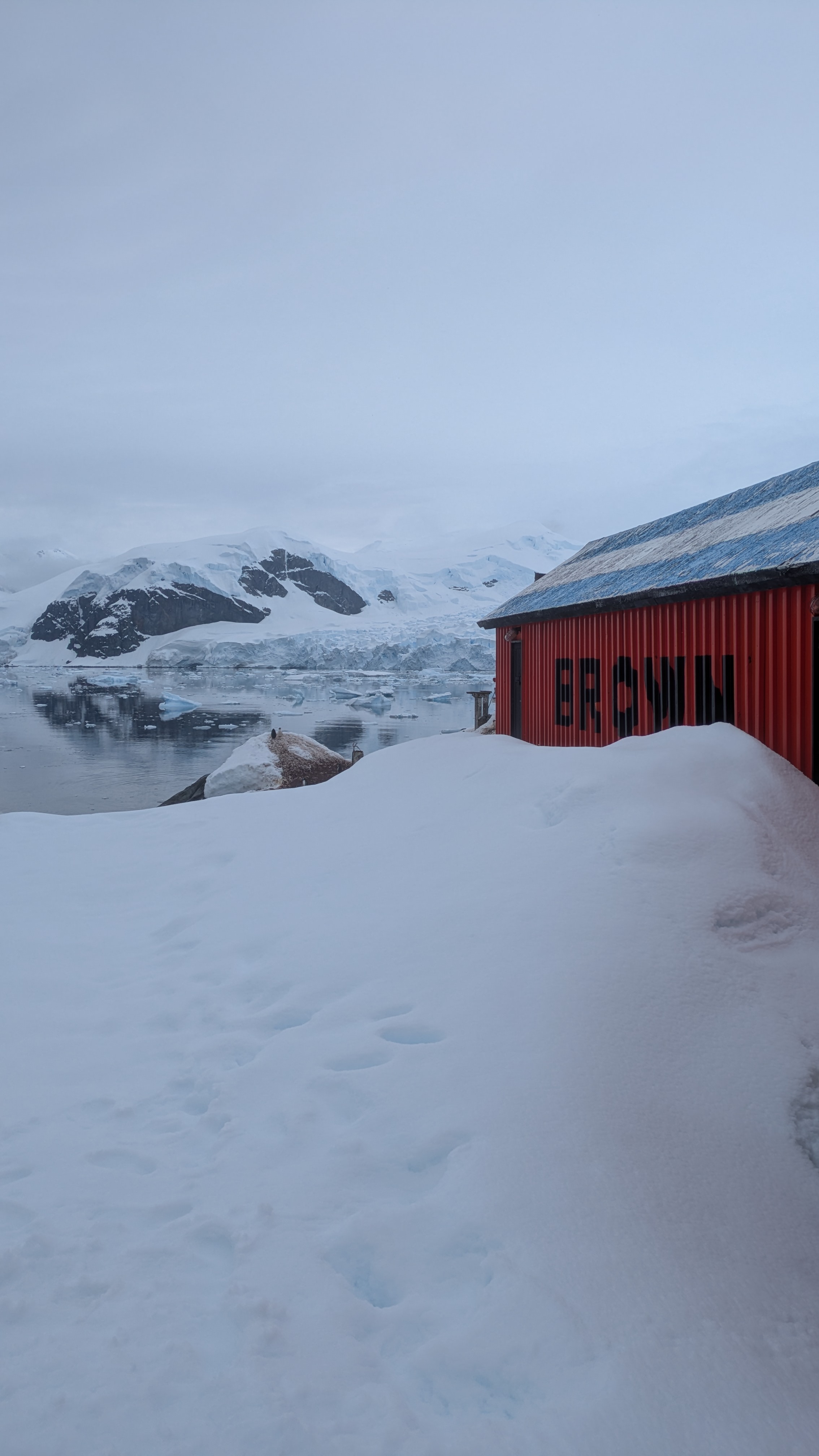
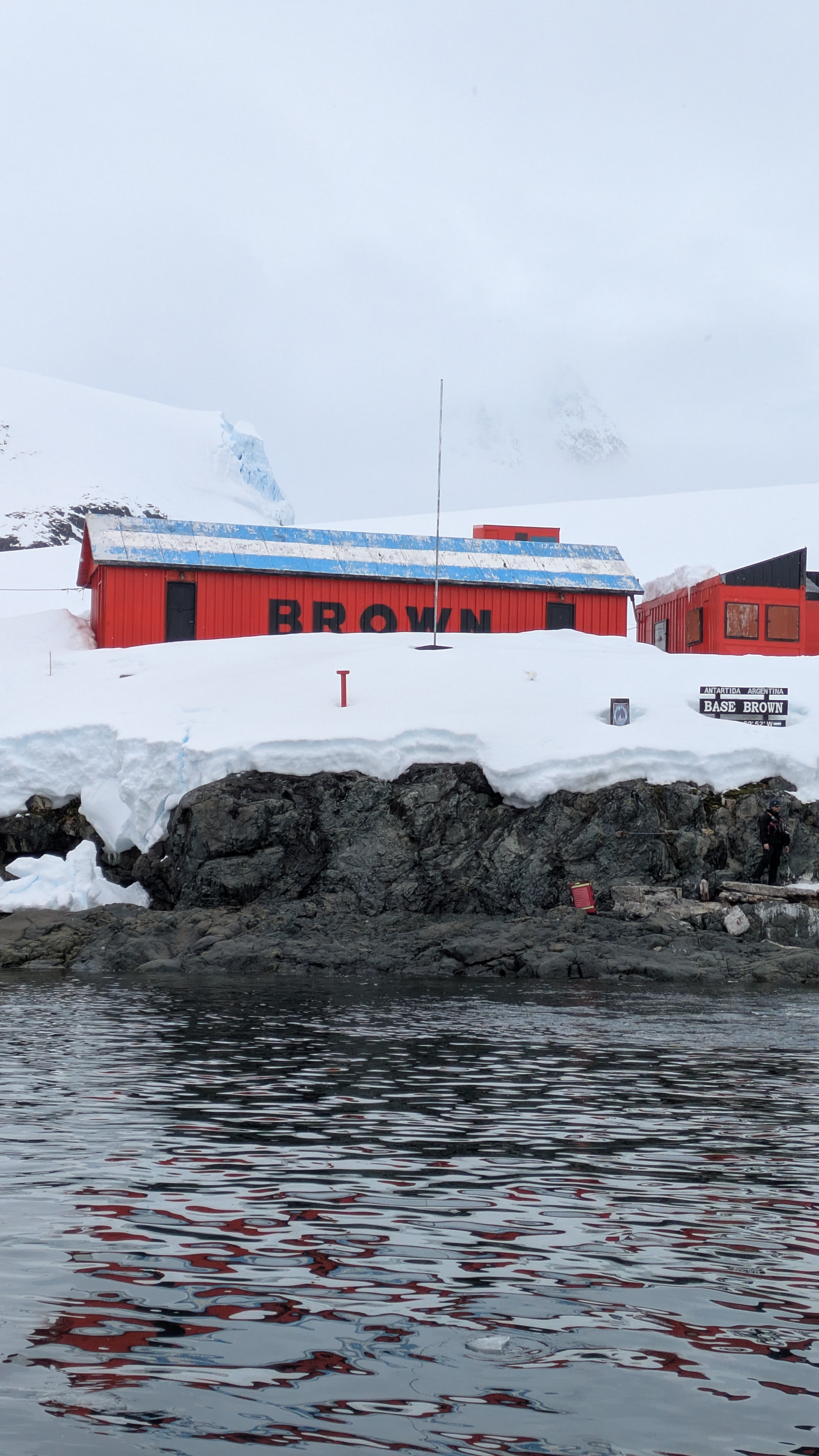
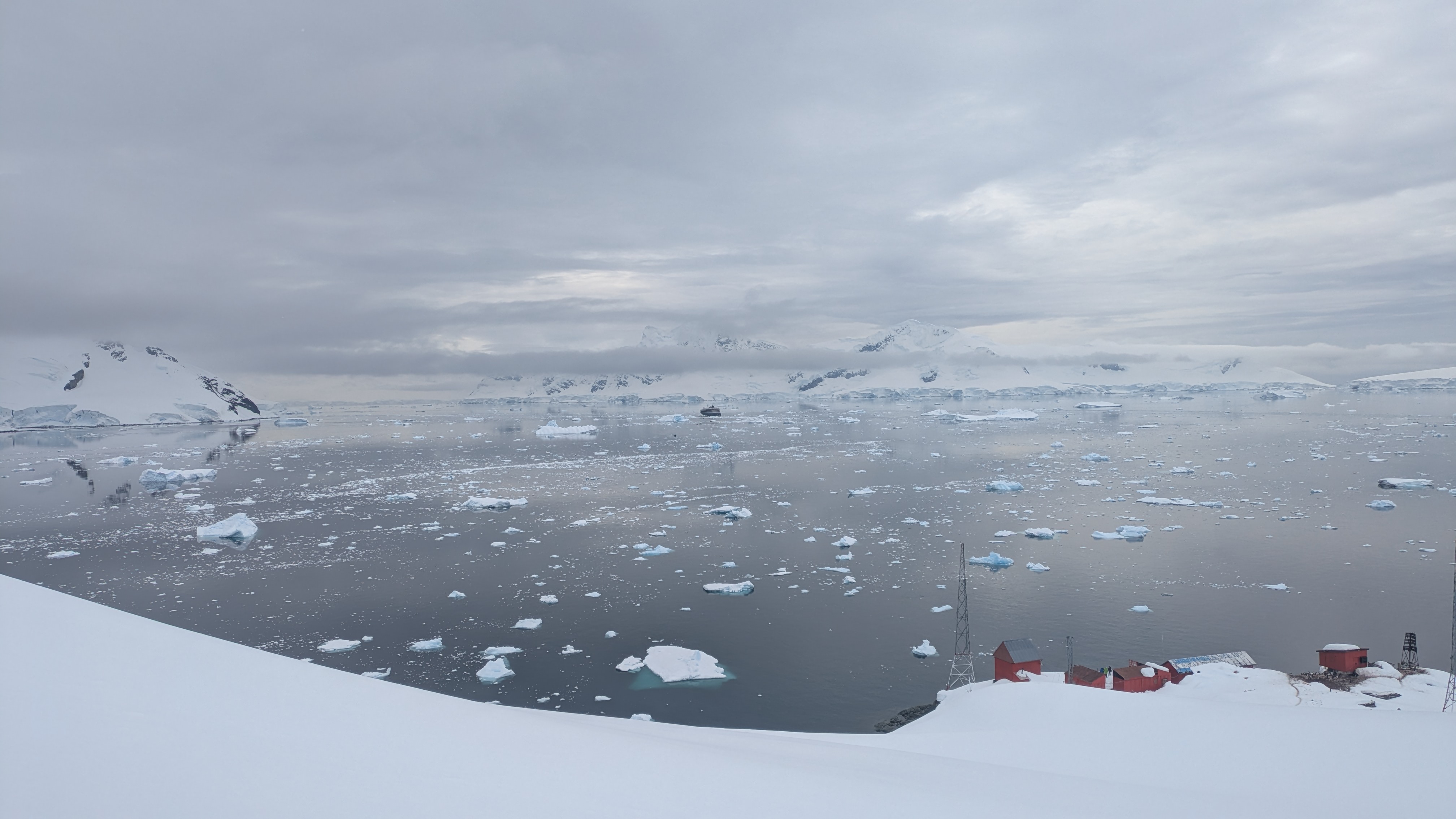
In the afternoon, we went to Paradise Harbour and also stopped at Brown Station which is the Argentine research station. They are not manned in summer but if they are manned, visits are not allowed.
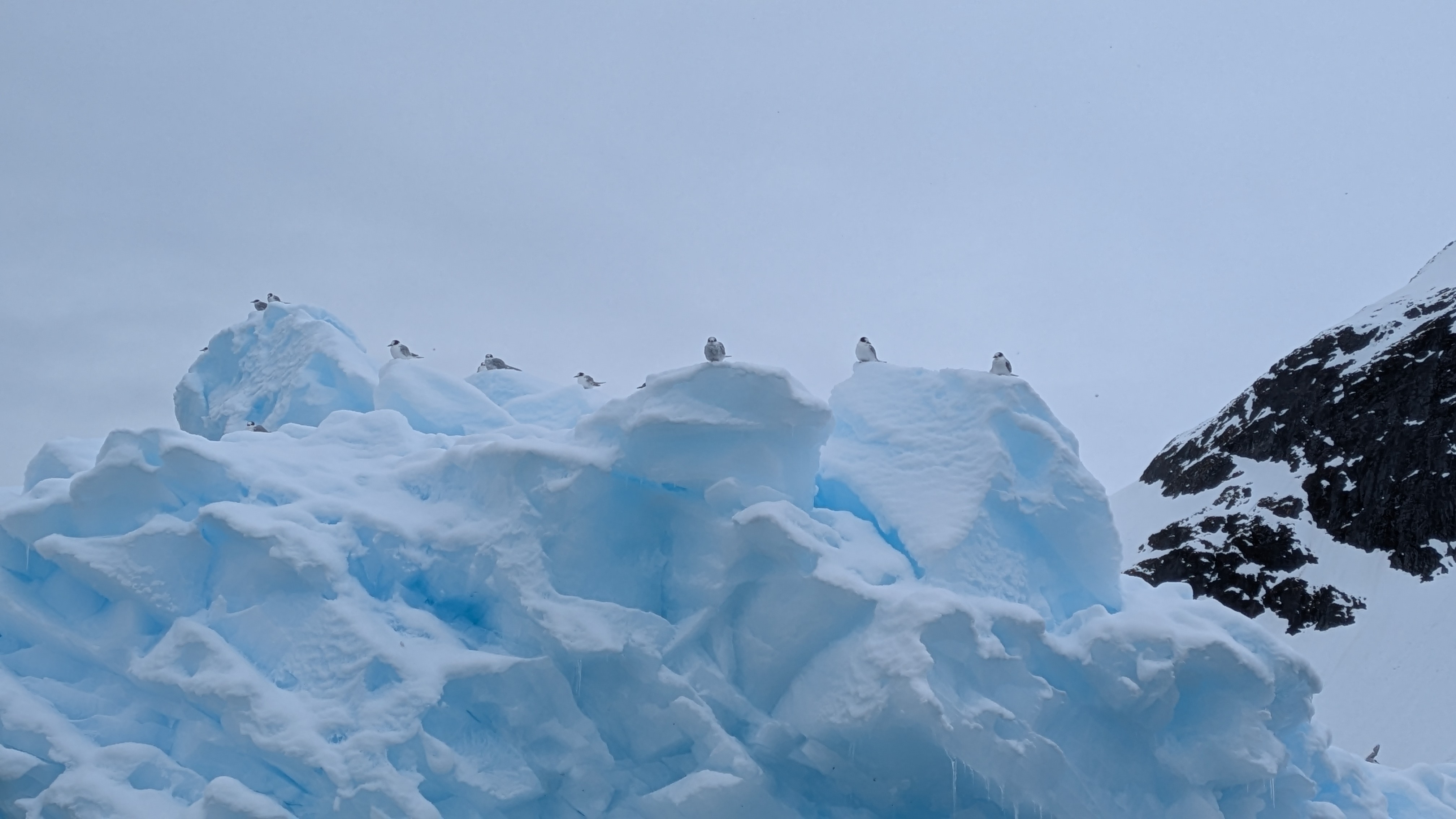
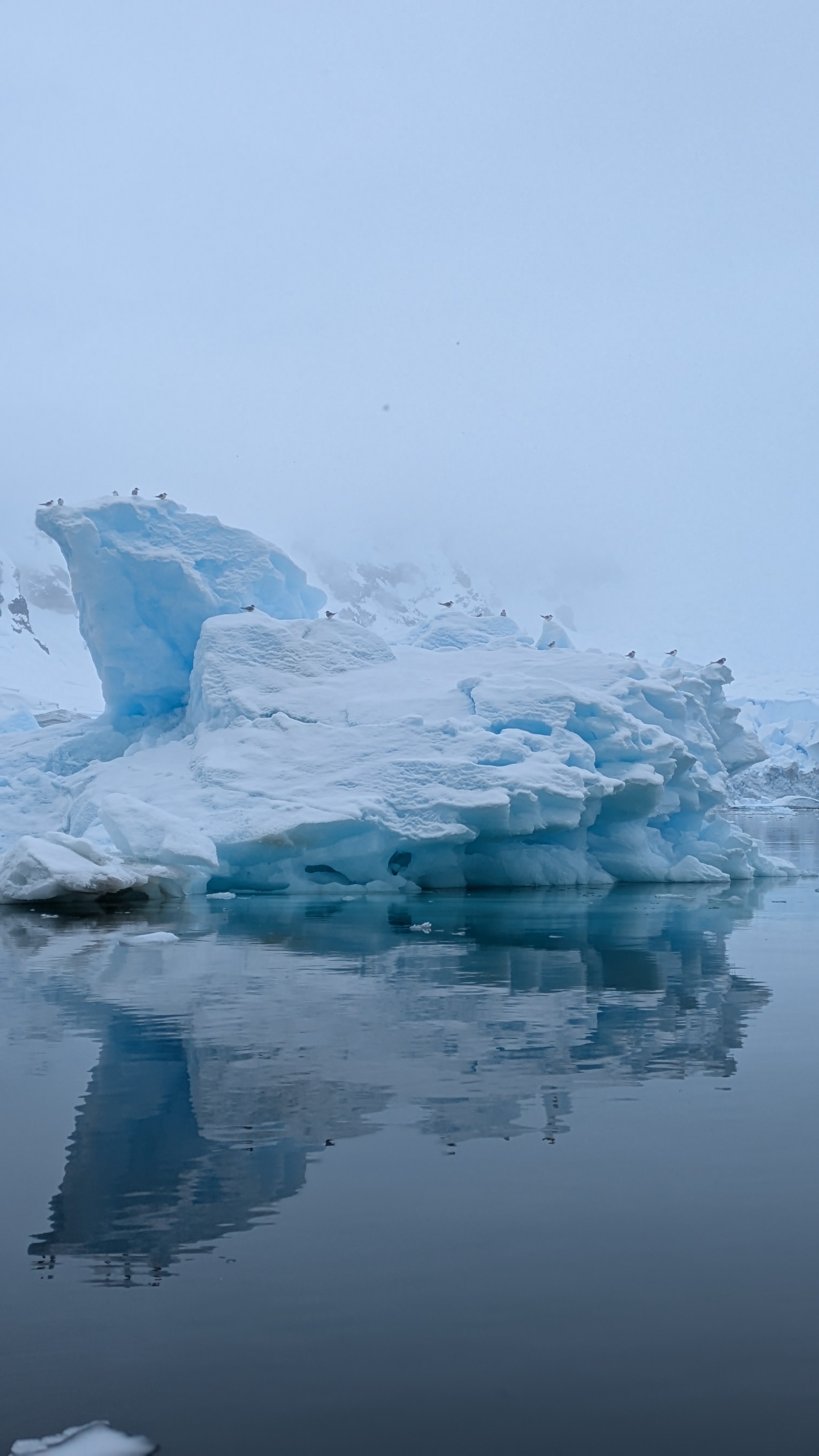
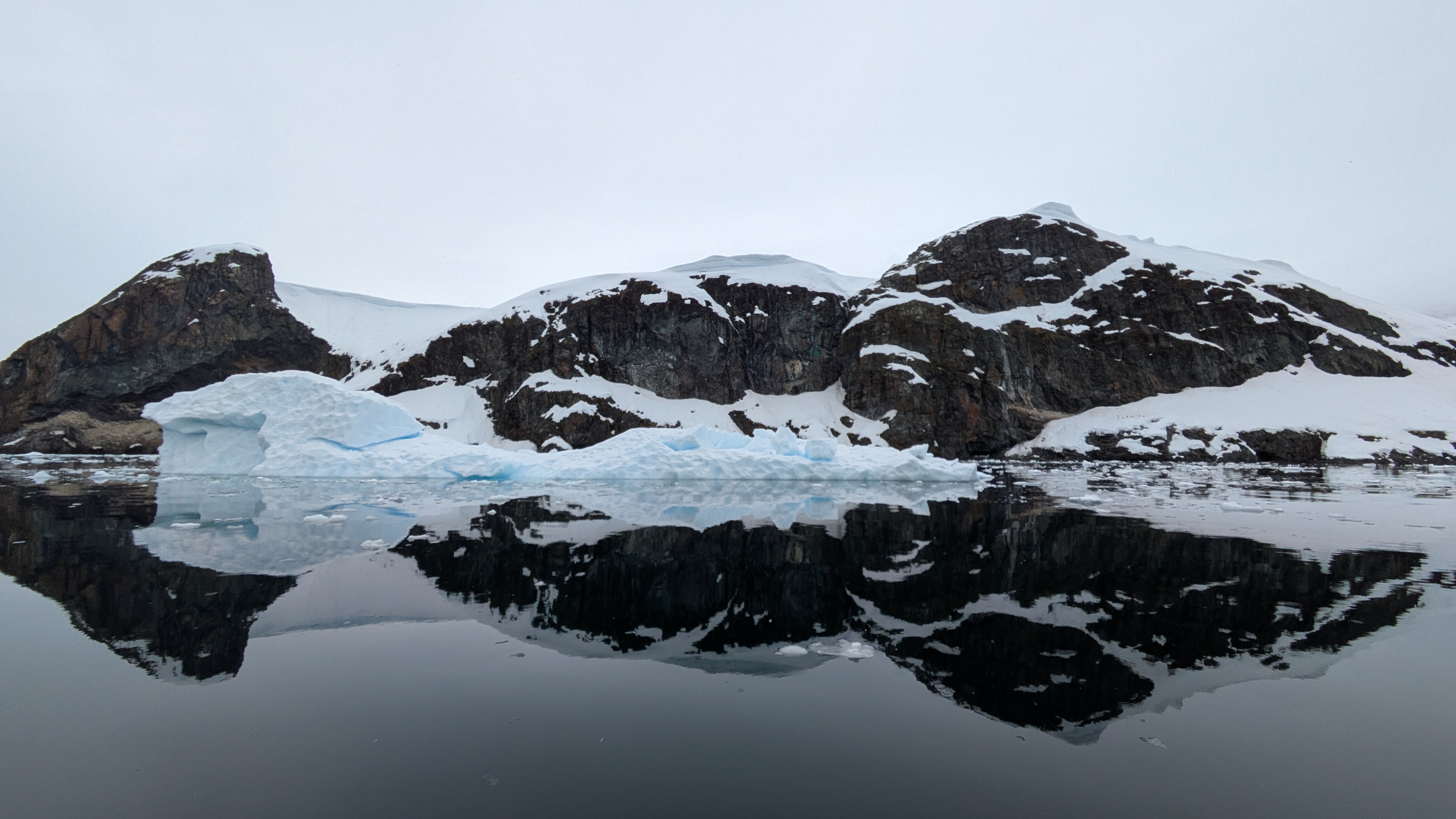
Day 4 – Chiriguano Bay
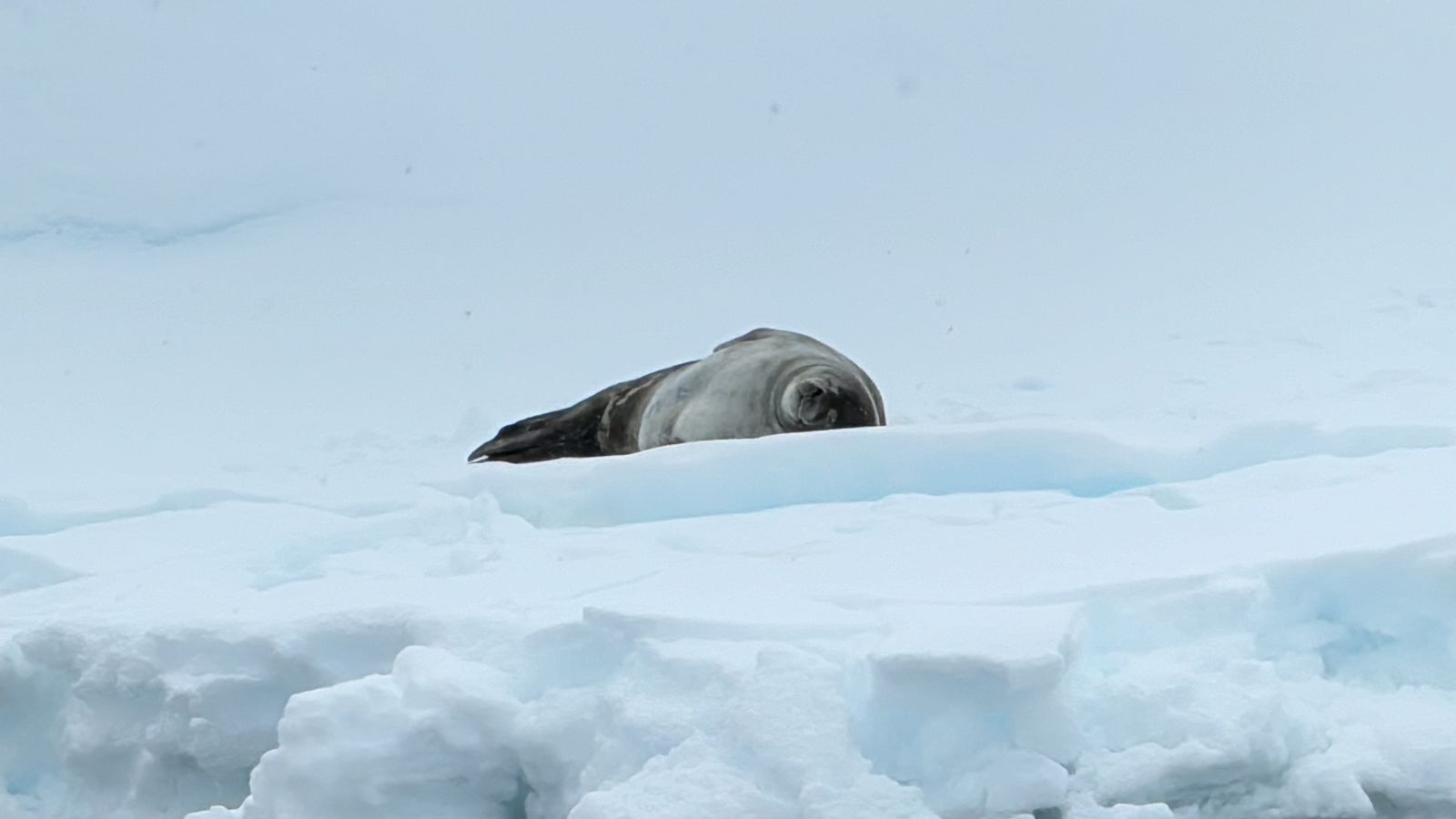
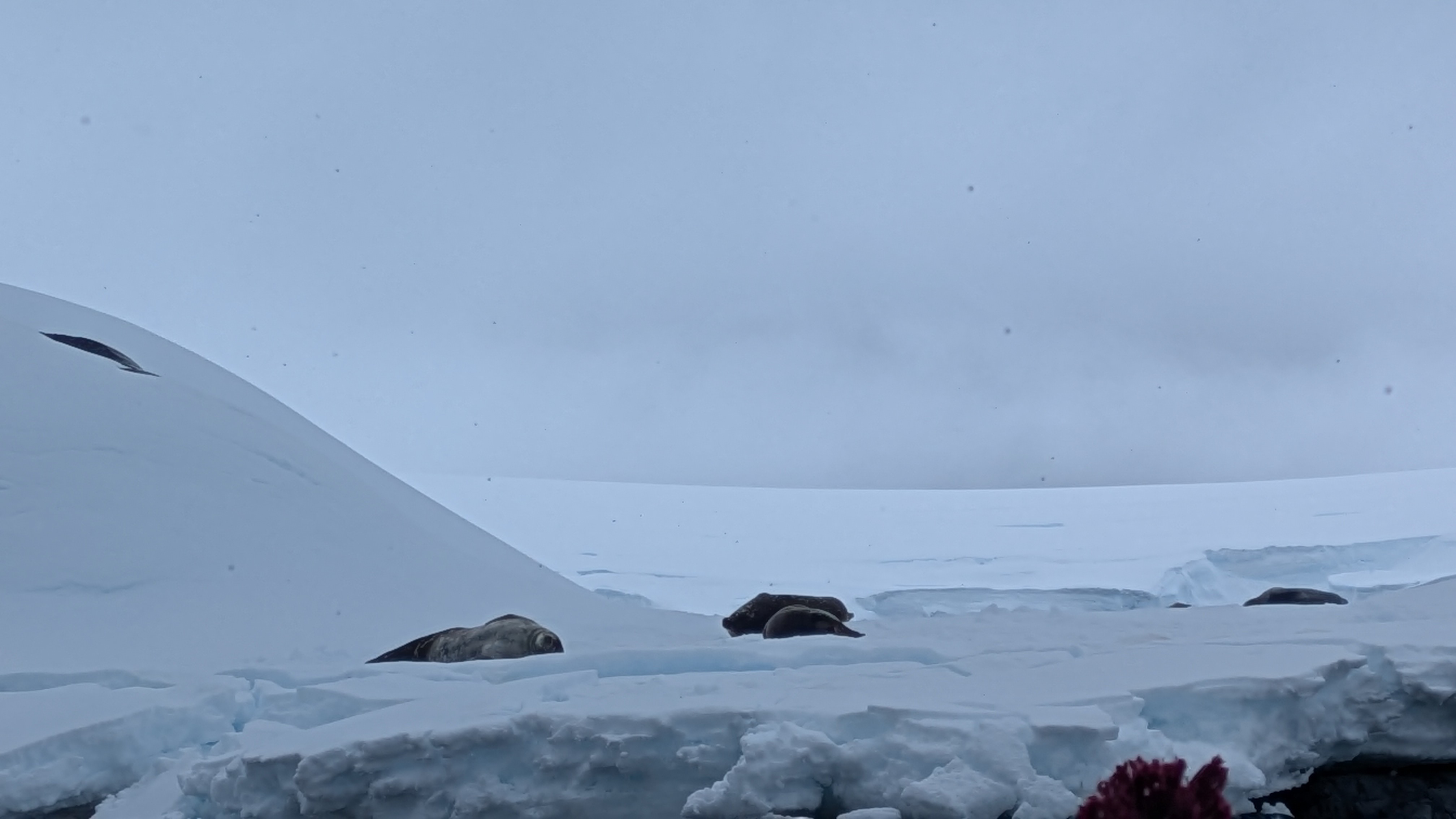
We went out on two zodiac safaris today – our first one we saw gentoos and fur seals and on our second one, we saw Weddell seals.
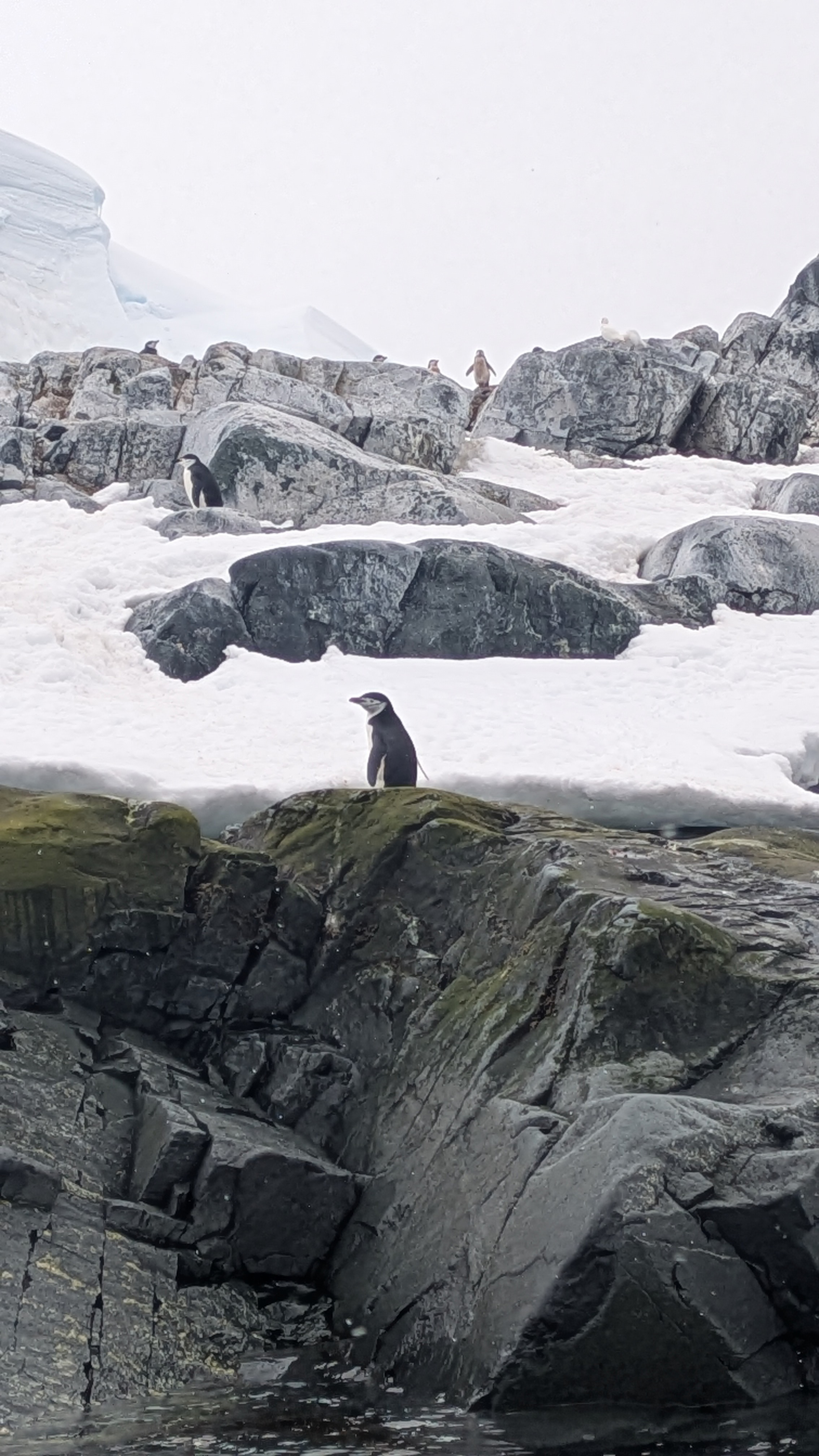
Day 5 – Half Moon Island, Yankee Harbour
In the morning, we went to Half Moon Island which is a minor Antarctic island where the Argentine Camara base is located on the island. We walked around and saw a lot of chinstrap penguins.
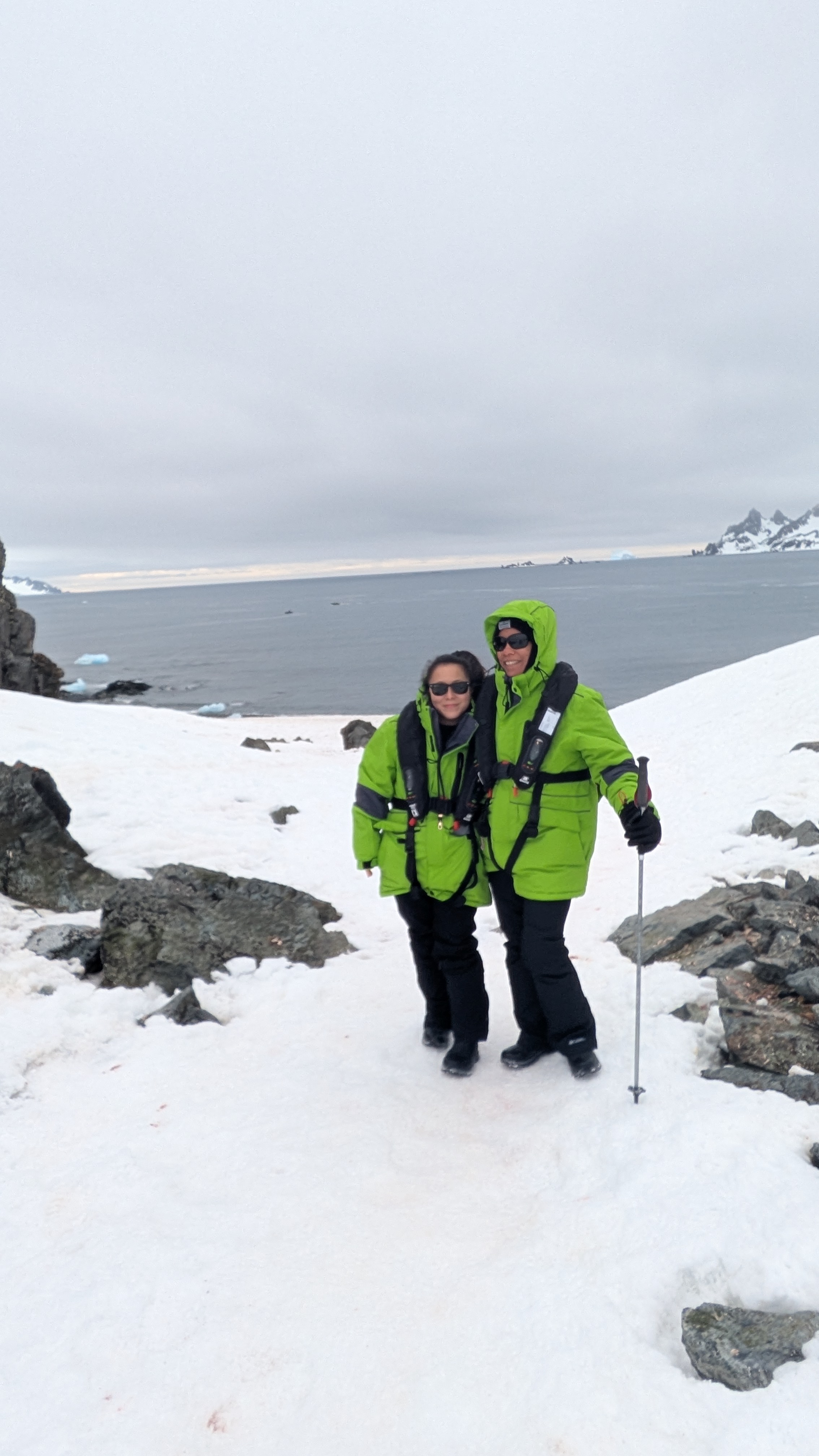
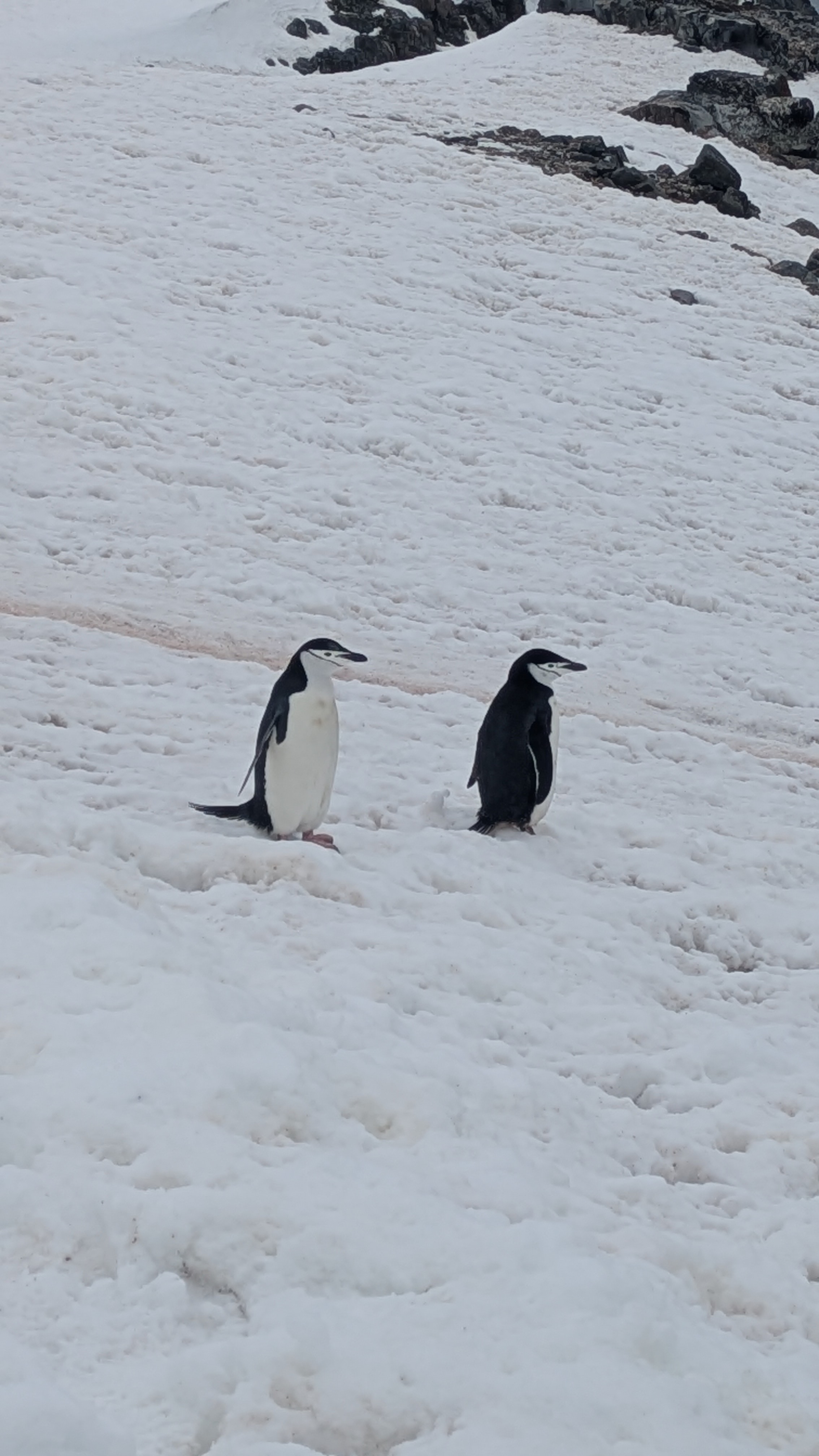
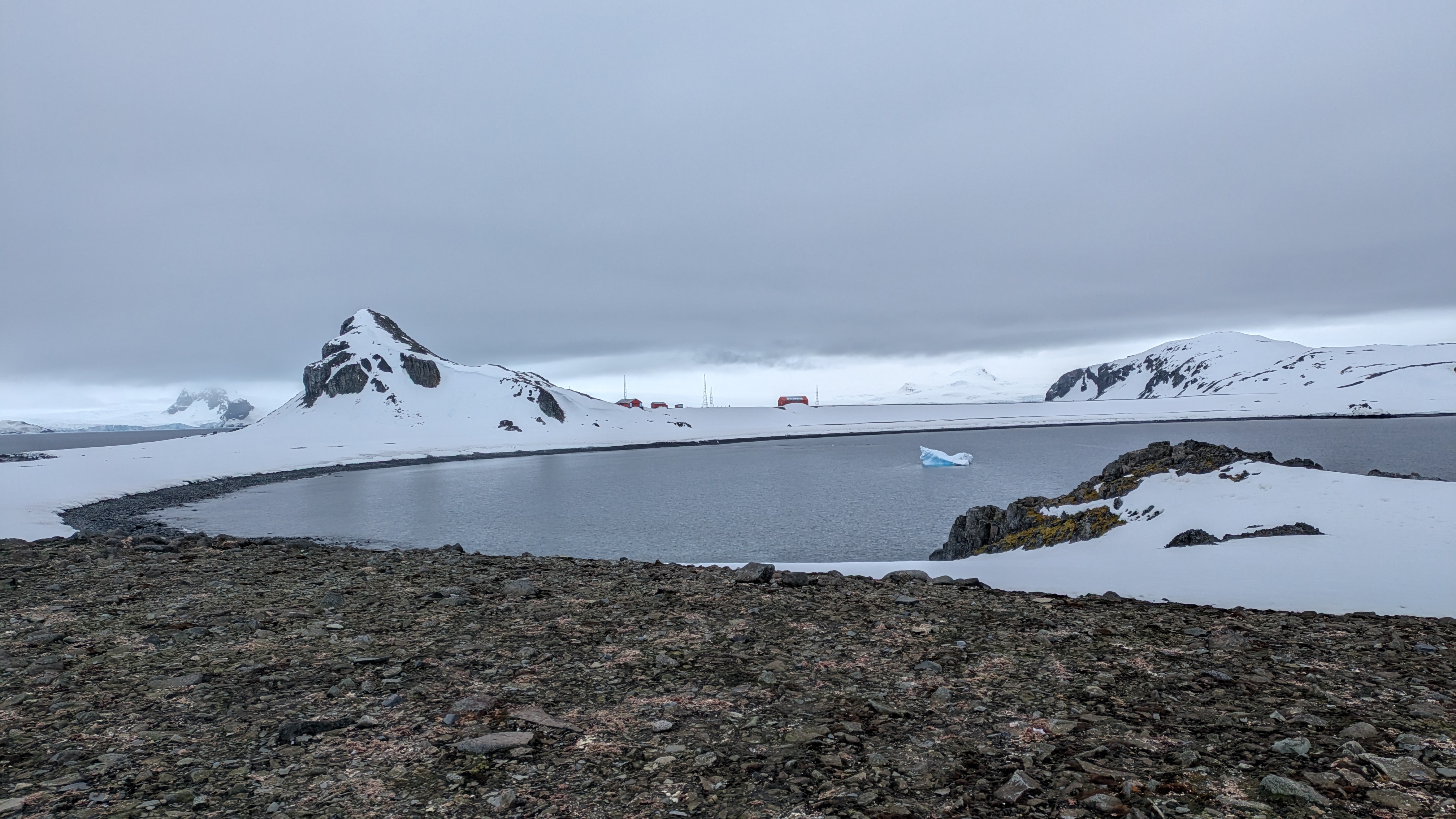
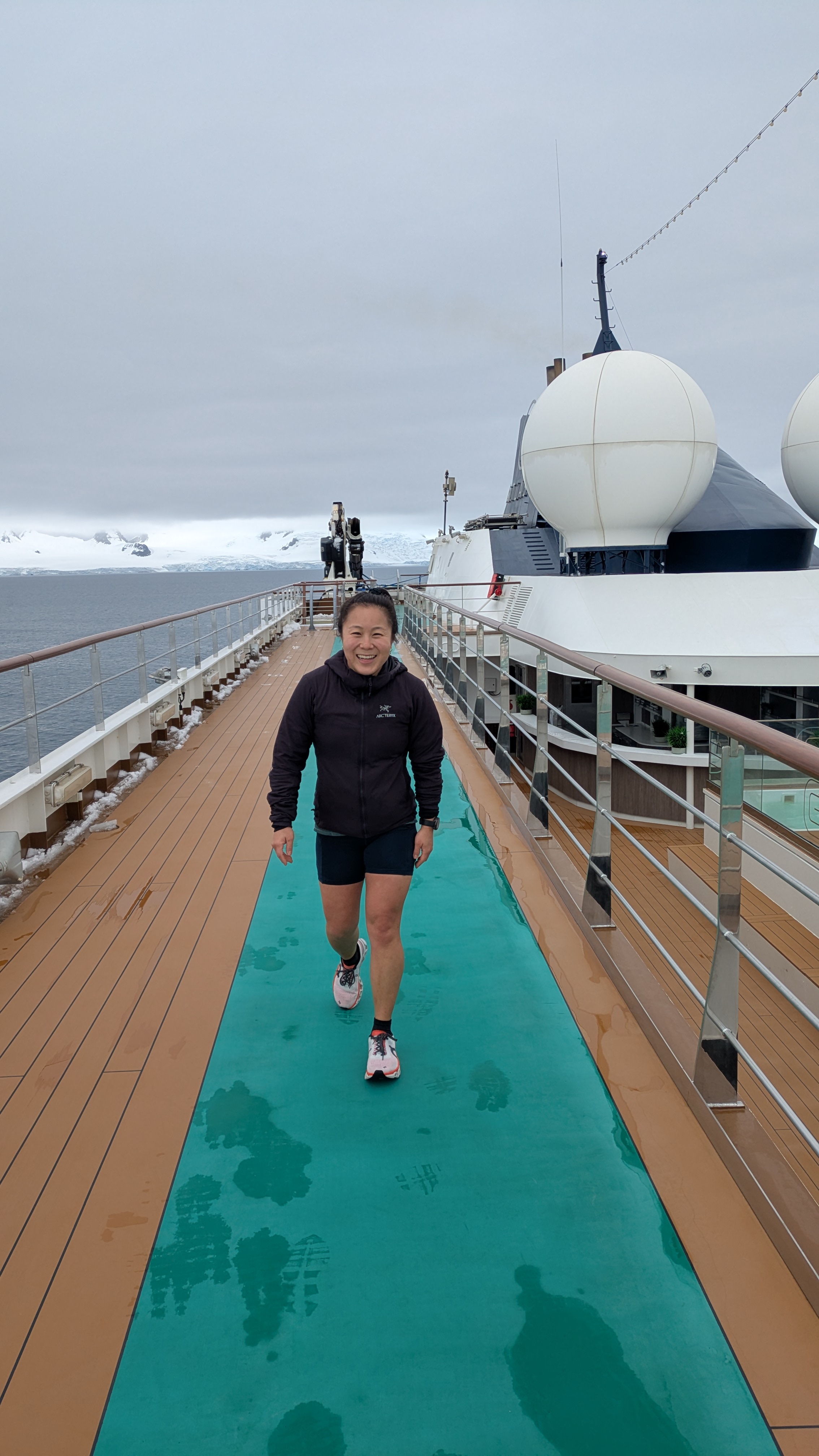
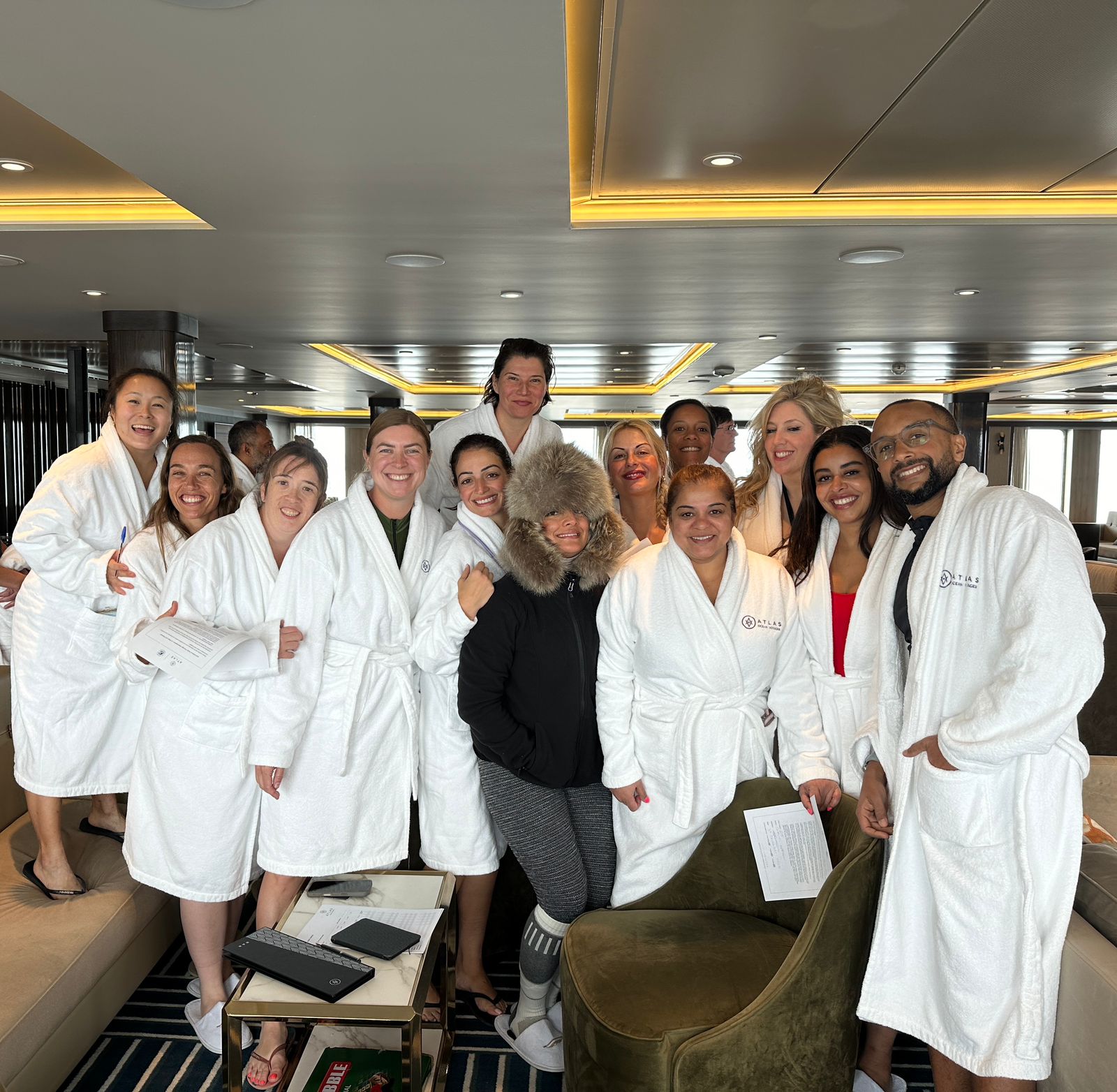
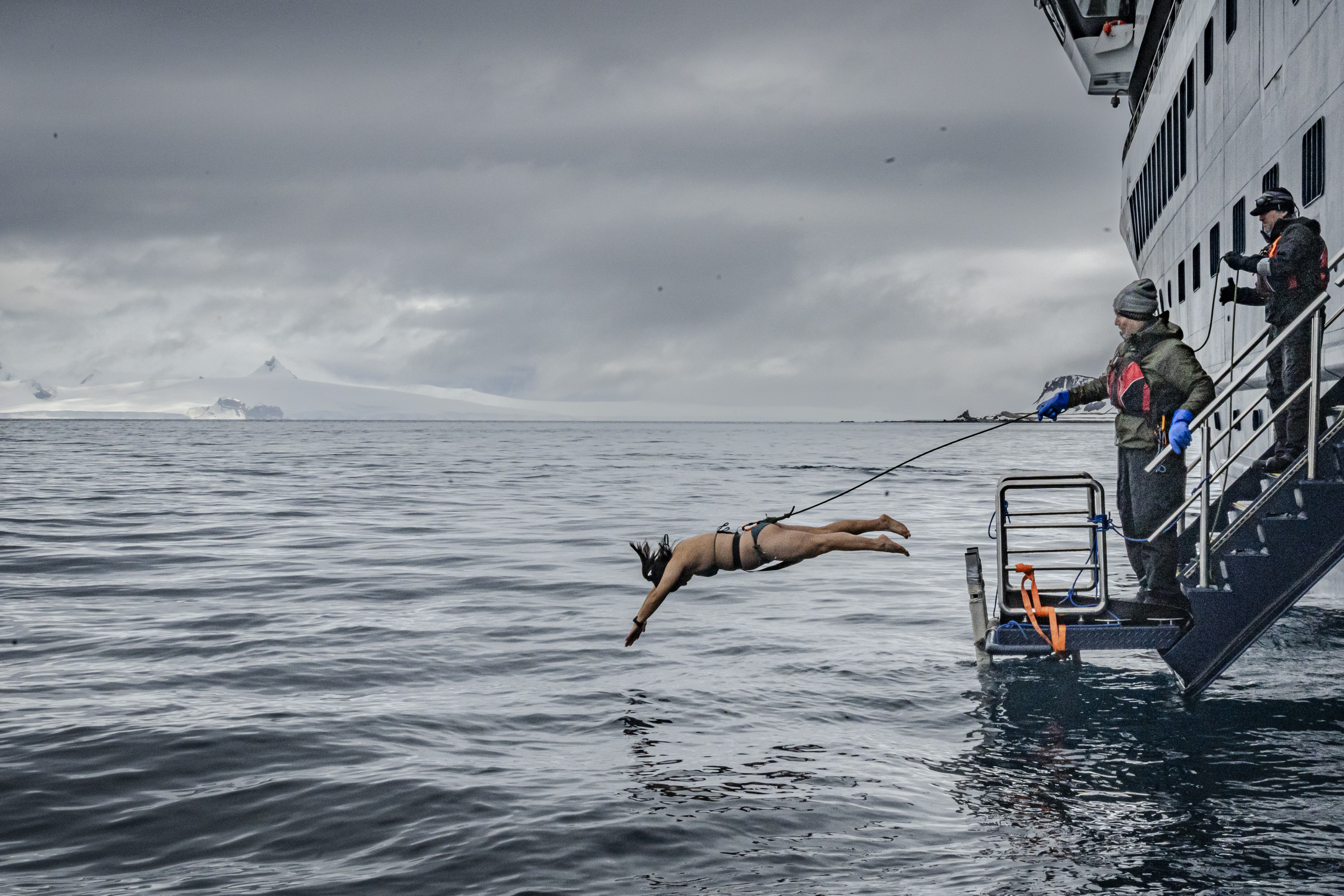
There is a running track on the ship so Laura and I did a 5km run. After, we did the polar plunge and the water temperature was around 1 degree celsius – it was fun and exhilarating to say the least!
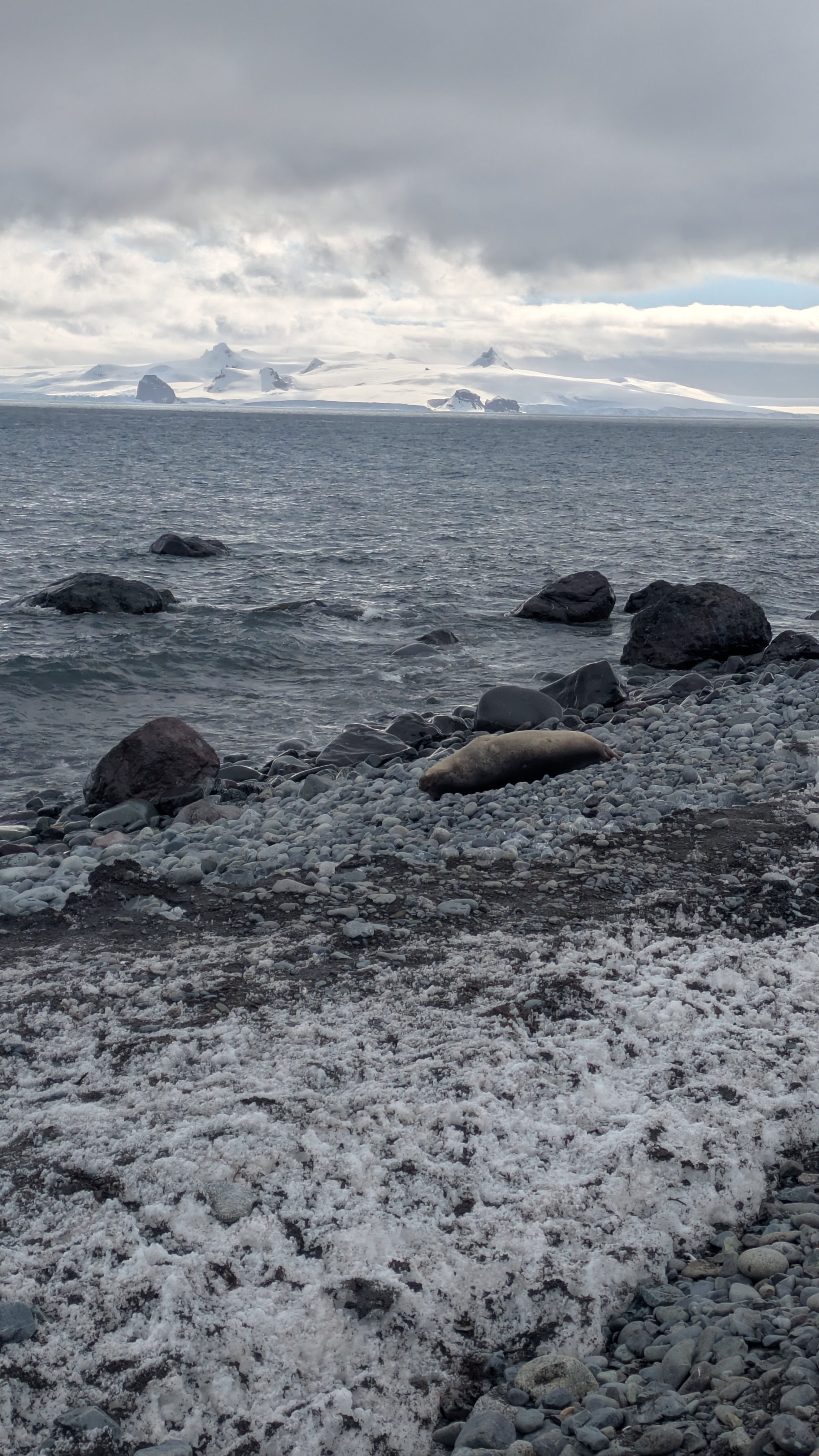
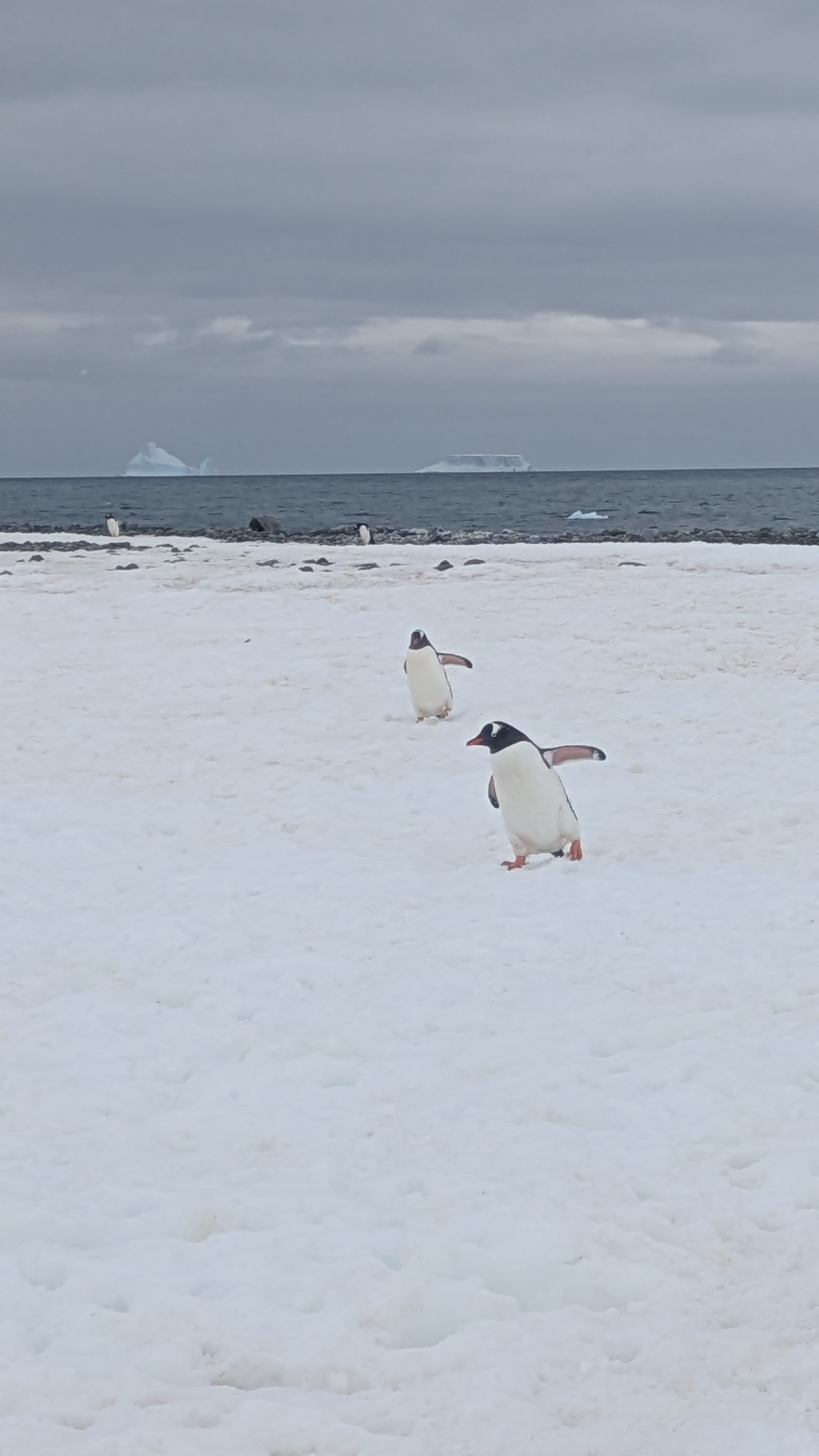
In the afternoon, we went to Yankee Harbour and again, it was cool to see the penguins nesting and some seals as well.
Post Cruise
Because of the weather conditions, our return to Punta Arenas was delayed. We disembarked from the cruise in the late afternoon but didn’t catch our flight back until early evening. We spent the night at the hotel arranged for us then had an early start the next morning to get a flight to Santiago and begin the journey home to London.
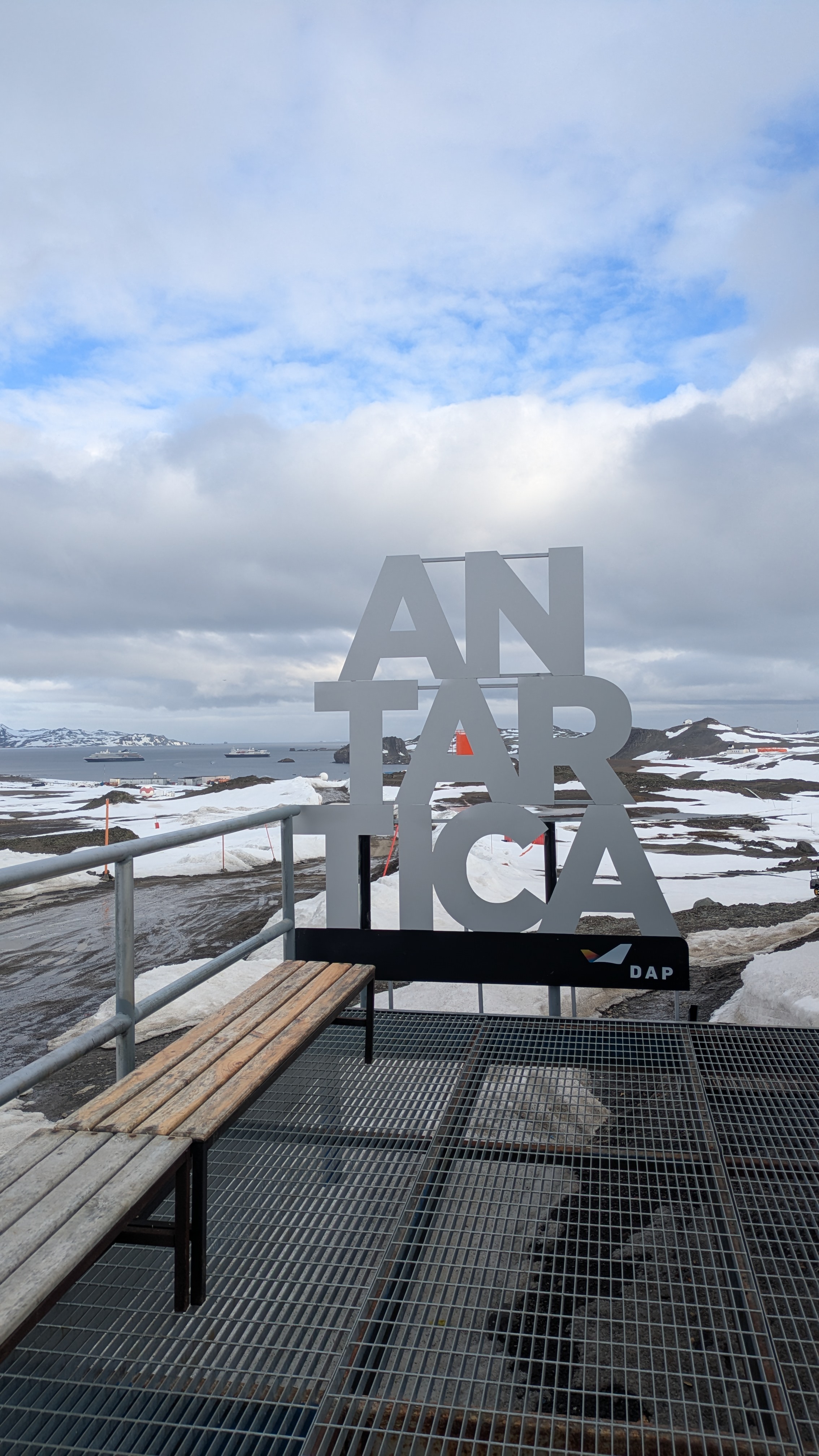
Antarctica should absolutely be at the top of your travel list. While it is a significant investment, the sheer awe of the landscapes makes every moment worthwhile.
It’s also an adventure best enjoyed while you’re still fully mobile, as making the most of your time on land often means walking not only over uneven terrain and up significant hills but on snow.
I know I’ll be returning especially for the chance to see emperor penguins which are mostly found on the South Georgia Islands. Who’s ready to join me on the next expedition?
 Day In, Day Out